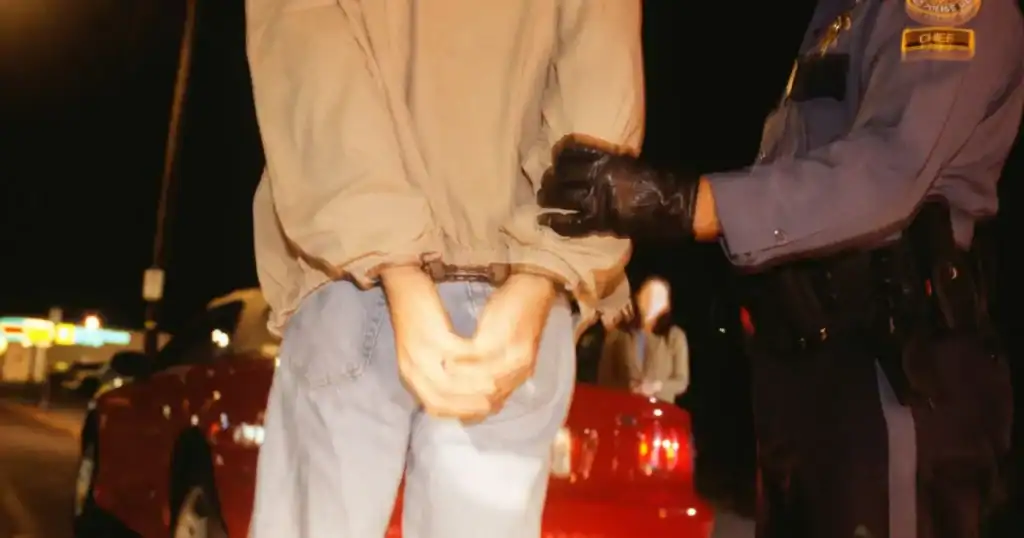
South Carolina DUI Attorney
Key Takeaways
- South Carolina prohibits driving when alcohol, drugs, or a combination of substances materially and appreciably impairs a person’s ability to drive.
- A DUI conviction may bring jail time, fines, mandatory alcohol or drug education or treatment, and ignition interlock requirements.
- Penalties generally increase with a higher blood alcohol concentration and prior qualifying offenses within the 10-year lookback period.
- An attorney can evaluate the stop, arrest, testing procedures, recordings, and other evidence while protecting important deadlines and rights.
A South Carolina DUI attorney at Rogers, Patrick, Westbrook & Brickman LLC can help you understand the charge against you, the possible consequences, and the defenses that may apply. A DUI arrest can threaten your driving privileges, finances, employment, and reputation, but an arrest is not a conviction. The prosecution must prove every required element, and the evidence may be challenged.
Early guidance matters because a South Carolina DUI case may involve criminal proceedings and separate licensing consequences. A DUI lawyer South Carolina residents trust can preserve evidence, assess the circumstances, and explain realistic options.
What Are South Carolina's DUI Laws and Penalties?
South Carolina law makes it unlawful to drive when alcohol, another drug, or a combination of substances materially and appreciably impairs the person’s faculties. State law also separately prohibits driving with an alcohol concentration of 0.08% or higher. A person cannot be convicted of both DUI and driving with an unlawful alcohol concentration for the same incident.
Penalties depend on the number of prior qualifying violations and the alcohol concentration attributed to the driver. Consequences can include:
- Fines and assessments beyond the base statutory fine
- Jail, qualifying public service, or mandatory incarceration for repeat offenses
- Enrollment in and successful completion of the Alcohol and Drug Safety Action Program (ADSAP)
- Installation and use of an ignition interlock device
- Collateral effects on insurance, work, licensing, or education
Implied-consent rules can create immediate license issues after a refusal or certain test results. Administrative consequences proceed separately from the criminal charge.
What Happens With a First Offense DUI in South Carolina?
For a first offense with an alcohol concentration below 0.10%, the statute provides a $400 fine or 48 hours to 30 days in jail. A court may allow 48 hours of public service instead of the minimum jail term. At 0.10% to below 0.16%, the stated fine is $500, and incarceration ranges from 72 hours to 30 days, with public service potentially replacing the minimum. At 0.16% or higher, the stated fine is $1,000, and incarceration ranges from 30 to 90 days; the minimum may potentially be served through public service.
Assessments can increase the total owed, and a conviction requires successful completion of ADSAP. Under current licensing law, a person convicted of a first offense generally enters the Ignition Interlock Device Program and uses an interlock-restricted license for six months. The alleged BAC, test issues, and incident date affect the analysis.
What Are the Penalties for a First, Second, Third, or Fourth DUI in South Carolina?
The basic statutory ranges become more severe with each offense:
- First offense: A $400 base fine or 48 hours to 30 days in jail at the lowest statutory BAC tier, with higher minimums at 0.10% and 0.16%.
- Second offense: A $2,100 to $5,100 fine and five days to one year in jail at the lowest tier. Higher BAC tiers can increase imprisonment to as much as three years and raise the fine range.
- Third offense: A $3,800 to $6,300 fine and 60 days to three years in jail at the lowest tier. At 0.16% or higher, the range rises to six months to five years, plus a higher fine.
- Fourth or subsequent offense: One to five years in prison at the lowest tier. The range becomes two to six years at 0.10% to below 0.16%, and three to seven years at 0.16% or higher.
Prior violations generally count when they occurred within the 10 years preceding the latest violation. Interlock periods increase: six months for a first conviction, two years for a second, three years for a third, and life for a fourth or subsequent conviction. A third offense within five years of the first generally carries four years.
These ranges are not predictions. Injury, death, child endangerment, other charges, or an out-of-state record may change the exposure. A South Carolina DUI lawyer can identify applicable provisions.
Can a DUI Be Dismissed or Expunged in South Carolina?
A DUI charge may be dismissed when the prosecution cannot establish its case, evidence is suppressed, procedures were not followed, or another legal issue prevents prosecution. Dismissal is never automatic. Defense questions include whether the stop was lawful, probable cause supported the arrest, testing occurred properly, and required recordings and advisements were provided.
A DUI conviction generally cannot be expunged under South Carolina’s ordinary expungement laws. However, when a charge is dismissed, nolle prossed, or ends in an acquittal, the arrest and charge record may qualify for expungement. Eligibility and procedure depend on the disposition, court, and individual record. Reducing a DUI allegation to another offense does not necessarily guarantee that the resulting record can be cleared.
How Can a DUI Lawyer at RPWB Help With My Case?
An attorney can analyze patrol-car, body-camera, and breath-site recordings; reports; witness accounts; test documentation; and maintenance records. Counsel can examine the stop, field sobriety exercises, arrest, and breath or bodily-fluid testing.
RPWB can explain court appearances, address licensing and interlock questions, negotiate when appropriate, prepare motions, and take a defensible case to trial. The firm represents people accused of DUI and other offenses, tailoring the defense to the evidence and circumstances. No lawyer can promise a result, but representation can test the state’s proof and protect the client’s rights.
Frequently Asked Questions
Is a BAC below 0.08% an automatic defense?
No. South Carolina may pursue an impairment-based DUI charge when alcohol or drugs materially and appreciably impaired driving, even without a BAC of 0.08% or higher. The full evidence still matters.
Can prescription medication lead to a DUI charge?
Yes. A lawful prescription does not prevent a charge if the medication allegedly impaired the person’s ability to drive. Counsel can evaluate dosage, warnings, observations, testing, and alternative explanations.
What happens if I refuse a breath test?
A refusal may trigger an implied-consent license suspension independent of the criminal case. Hearing and temporary-license options are time-sensitive, so obtain advice promptly.
Do I have to complete ADSAP after a conviction?
Yes. South Carolina requires a person convicted of DUI or driving with an unlawful alcohol concentration to enroll in and successfully complete the certified program, including recommended education or treatment.
Will my case go to trial?
Not every case reaches trial. The path depends on the evidence, available motions, negotiations, the client’s objectives, and the prosecution’s position. You have a right to a jury trial on a DUI charge.
South Carolina DUI Attorney at Rogers, Patrick, Westbrook & Brickman LLC Can Protect Your Future
A DUI accusation calls for a response. Contact the South Carolina DUI attorney at Rogers, Patrick, Westbrook & Brickman LLC to discuss what happened, learn penalties and license rules that may apply, and explore a strategy grounded in the evidence. A case review with the firm can help you take the next step with information and advocacy. Call us at 843-727-6500 or complete the online form to schedule a free case evaluation. We have offices in Charleston, Mt. Pleasant, Aiken, and Columbia, South Carolina, and we serve clients throughout the state.
Start Your Free Case Review