
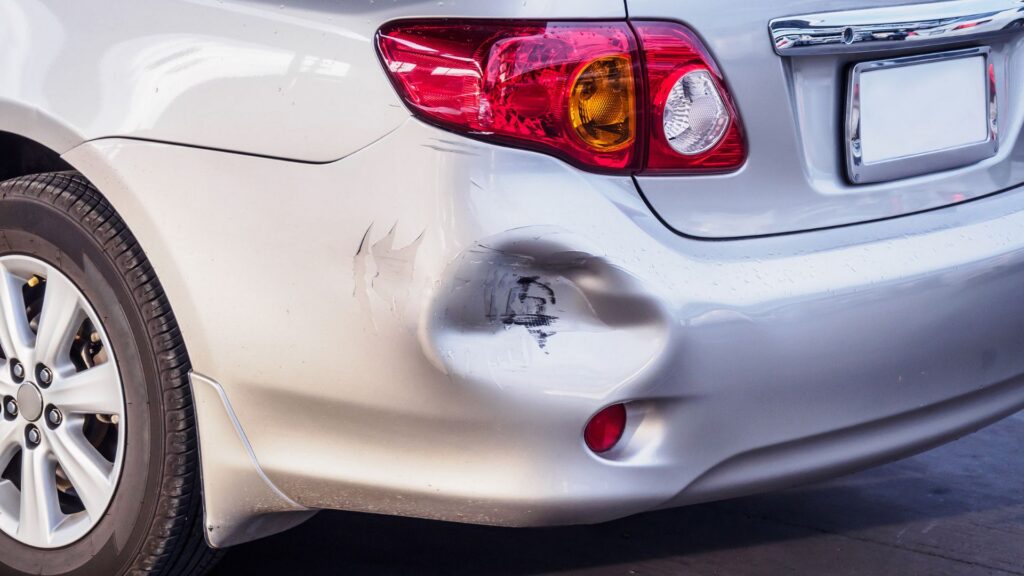
In most car accident cases, the driver who acted negligently is legally responsible for damages. Negligence is generally defined as failing to exercise reasonable care under the circumstances. In rear-end accidents, there’s a strong legal presumption that the rear driver is at fault, because drivers are expected to maintain a safe following distance.
The Rear Driver Is Usually to Blame
If you were rear-ended, the law typically assumes the other driver was negligent. In many cases, simply proving that you were hit from behind is sufficient to establish liability. The rear driver is usually considered responsible for failing to stop in time or not paying proper attention. As a result, you may be able to move forward with seeking compensation for your injuries without needing to establish fault further—unless the other driver rebuts that presumption.
Can the Front Driver Ever Be at Fault?
Yes, while the rear driver is usually presumed to be at fault, this presumption can be overcome with evidence. The insurance company or defense attorney may argue that the front driver caused or contributed to the crash. Some common arguments that may shift blame include:
- The front driver suddenly cut off another car.
- The front vehicle stopped abruptly without warning or necessity.
- The front driver intentionally “brake-checked” the car behind in an act of road rage or aggression.
- The front driver had non-functioning brake lights or was driving erratically.
In South Carolina, fault is not automatic, even in a rear-end crash. If the rear driver produces credible evidence that shifts partial blame to you, your compensation could be affected.
How Does Shared Fault Work in South Carolina?
South Carolina follows a modified comparative negligence rule with a 51% bar. This means:
- If you are 51% or more at fault, you cannot recover any damages.
- If you are 50% or less at fault, you can recover compensation, but it will be reduced by your percentage of fault.
For example, if you were awarded $100,000 in damages but found to be 20% at fault, your award would be reduced to $80,000.
This is why it’s essential to push back against any attempts to assign you blame, even partial, in a rear-end crash.
Whiplash and Rear-End Accidents
Whiplash is one of the most common injuries sustained in rear-end accidents. It occurs when the head is violently snapped forward and then back, straining the neck muscles and ligaments. While often seen as a “minor” injury, whiplash can lead to long-term pain, limited mobility, and even permanent disability in severe cases.
Unfortunately, insurance companies often try to downplay whiplash claims. They may argue that the injury is exaggerated or not serious. A skilled car accident lawyer can help ensure that your injuries are taken seriously and that you receive full compensation for medical care, pain and suffering, and lost wages.
Contact the Charleston Car Accident Lawyers at Rogers, Patrick, Westbrook & Brickman LLC
If you’ve been hurt in a rear-end crash or any motor vehicle accident, the experienced Charleston car accident lawyers at Rogers, Patrick, Westbrook & Brickman LLC are ready to help. We fight for the compensation our clients deserve—whether it’s through negotiations or at trial. Call us today at 843-727-6500 or contact us online to schedule your free consultation. With offices in Charleston, Mt. Pleasant, Aiken, and Columbia, we proudly serve clients across South Carolina.