News
A Pothole Caused My Car Accident – What Next?
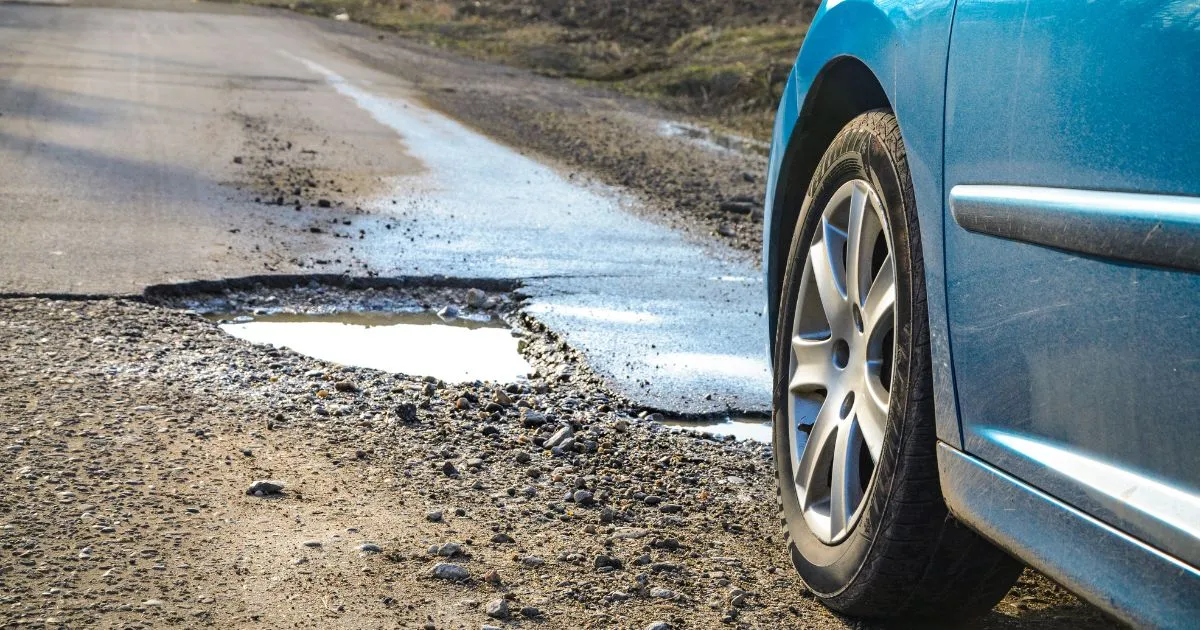
Potholes have the ability to cause serious injuries in a car accident. A driver can either run over the pothole and lose control of their vehicle, or they could swerve to avoid it and end up off the roadway or in the path of another car. In that event, your lawsuit may be against the government as opposed to another driver who was involved in the crash. Do not count on the government doing the right thing because they are the government. You can still expect a difficult legal process unfolding ahead of you.
You May Be Able to File a Lawsuit Against the Government
The government is the likely defendant in any lawsuit that stems from a defect in the road, such as a pothole. They have a legal obligation to maintain the roadways in a reasonably safe condition. The government does not act as a guarantor of your safety when you are on the roads. Still, the government agency that is tasked with maintaining the roadways must remedy a defect within a reasonable amount of time after it knew or should have known about it. They cannot get away with simply claiming that they had no idea that there was a problem if too much time has passed since it first arose.
Even though the government has sovereign immunity under many circumstances, you can still hold an agency liable for certain types of negligence. You cannot sue individual government employees, but there are circumstances in which an agency may waive its immunity to allow a lawsuit. Nonetheless, you must be aware of certain specific rules that apply under the South Carolina Tort Claims Act that are not in place when you are suing a private entity.
You Must Be Mindful of the Correct Procedure
Here, the differences in a lawsuit against the government are procedural in nature. Before you are able to file any claim or lawsuit, you must give the government notice. There is a requirement under the law to provide the agency with this notice within 180 days after your accident. In other words, you cannot go directly to court without going through the government first. You cannot assume that the standard three-year statute of limitations applies because you may miss a crucial deadline.
After you have given the agency initial notice, you have one year from the date of the incident to file your actual claim. You must go through the government first to allow them to respond to your claim. The government could accept liability and make you a settlement offer. In that event, you can proceed to negotiate with the government, subject to the damages caps imposed by the law. However, the government is not always easy to negotiate with because they are trying to protect its own budget. They can be as difficult as any insurance company, requiring you to have a lawyer for a chance at securing the best possible outcome.
It is only if the government denies your claim, or if you are unable to reach a settlement agreement, that you are able to go to court. If you have to file a lawsuit, the standard statute of limitations does not apply to your case.
You May Face Limitations on Your Damages
When you do file a claim or lawsuit against the government, there are some limitations on the damages that you may be able to receive. Each claimant is limited to $300,000, with an overall limit of $600,000 per accident. Further, you cannot obtain any punitive damages from the government because they do not waive its sovereign immunity in this regard. Nonetheless, you may still be able to obtain full compensation within the damages cap.
Contact Our Mt. Pleasant Car Accident Lawyers at Rogers, Patrick, Westbrook & Brickman LLC
If you have been injured by a pothole or other road defect, our Mt. Pleasant car accident lawyers at Rogers, Patrick, Westbrook & Brickman LLC can help you take on the government. Schedule a free initial consultation with a car accident attorney by contacting us online or calling 843-727-6500. Our offices are located in Charleston, Mt. Pleasant, Aiken, and Columbia, South Carolina, and we serve clients throughout the state.
How can we help? Fill out the form for a free case review.
Contact Us
- Toll Free: 888.293.6883
Recent Posts
Categories
Related Posts
What Should I Do if My Uber or Lyft Driver Was Impaired and Caused an Accident?
When you get into a rideshare vehicle, you never quite know the state of the driver who is operating the car. You are literally placing your life in their hands. The driver may not be committed to your safety, and they may do something such as drink before they transport you as a passenger. If […]
READ MOREIs It Illegal to Drive Too Slowly?
Most drivers understand the dangers of speeding, but fewer people realize that driving too slowly can also create safety concerns. In busy areas such as Charleston, South Carolina, traffic flow plays an important role in preventing car accidents. When a vehicle travels significantly below the normal speed of traffic, it can create confusion, congestion, and […]
READ MOREA Pothole Caused My Car Accident – What Next?
Potholes have the ability to cause serious injuries in a car accident. A driver can either run over the pothole and lose control of their vehicle, or they could swerve to avoid it and end up off the roadway or in the path of another car. In that event, your lawsuit may be against the […]
READ MOREWhat Are the Most Dangerous Highways in South Carolina?
South Carolina is home to several highways known for high accident and fatality rates, putting drivers at increased risk of serious personal injury or death. Heavy commercial traffic, high speeds, rural road conditions, and outdated infrastructure all contribute to dangerous driving environments across the state. From major interstates to heavily traveled state routes, certain roadways […]
READ MOREWhat Should Drivers Know About Intersection Accidents and Right-of-Way Disputes?
Intersections are some of the most dangerous locations on South Carolina roadways. Whether at a rural four-way stop, a busy urban traffic light, or a confusing yield lane, drivers must rely on right-of-way rules to determine who can proceed safely. When those rules are misunderstood or ignored, car accidents occur. Intersection and right-of-way disputes often […]
READ MOREAre Technology and Safety Features in Vehicles a Distraction?
Modern vehicles include advanced technology and safety features designed to improve driving and reduce accidents. Touchscreens, smartphone integration, and driver-assistance systems are now standard in many cars. Although these tools can enhance safety, they may also create new forms of distraction when drivers shift attention away from the road. In South Carolina, understanding how vehicle […]
READ MOREHow GPS Distraction Leads to Uber/Lyft Car Accidents
Smartphone navigation has transformed rideshare driving, yet constant interaction with GPS apps has introduced apparent safety concerns. Uber and Lyft drivers depend on turn-by-turn directions, rerouting alerts, and passenger pickup prompts while operating in dense traffic. Although these tools improve efficiency, frequent visual and cognitive demands from GPS distraction interfere with safe driving, particularly on […]
READ MOREWhat Happens if I Was in a Car Accident Caused by a Distracted Driver in Mt. Pleasant?
Distracted driving is a major cause of car accidents in Mt. Pleasant, SC. Drivers who take their eyes off the road, hands off the wheel, or minds off driving can put everyone around them at risk. Even a brief distraction can lead to serious injuries or significant property damage. If you have been hurt by […]
READ MOREElderly Pedestrian Struck and Killed on King Street in Mount Pleasant
On Monday, an elderly Charleston woman died after being struck by a car on King Street near Mount Pleasant Street. According to police, a vehicle exiting the parking lot at 1200 King Street hit the woman as she was crossing from the sidewalk. She was pronounced dead at the scene. Currently, no charges are pending […]
READ MOREHoliday Driving Safety Tips for Charleston, South Carolina
Charleston’s mild climate may limit winter weather concerns, but the holiday season still presents serious driving risks for local residents and visitors alike. Increased tourism, heavier traffic, rain, fog, and congested bridges all contribute to a higher risk of car accidents during peak travel times. Whether navigating downtown Charleston or traveling along major highways, drivers […]
READ MORESuing Uber or Lyft After an Accident in Mt. Pleasant
If you have been injured in an Uber or Lyft accident in South Carolina, you may be entitled to compensation for your damages. However, rideshare accidents differ from standard motor vehicle crashes, and the legal process can be more complex. To ensure your rights are protected and you receive the compensation you deserve, it is […]
READ MOREWhat Happens With Uber and Lyft Accidents Involving Multiple Vehicles?
Accidents involving Uber or Lyft drivers can be complicated enough when only two vehicles are involved. The complexity increases significantly when three or more cars are part of the crash. Multiple insurance companies may become involved, each attempting to limit its liability. If you are injured in a rideshare accident, it is essential to work […]
READ MORECar Accidents Involving Government Vehicles: Who Is Liable?
The rules governing a car accident with a government vehicle do not work the same way as they would if you had been hit by another private driver. Government entities enjoy special protection, and you need to understand these distinctions if you want to protect your rights and receive fair compensation for your injuries and […]
READ MOREHow Do I Stay Safe While Driving on South Carolina Roads?
Driving defensively is not just something that sounds good in a public safety awareness campaign. It is an absolute must for you to stay safe while driving on South Carolina roads. You only have control of your own actions behind the wheel, yet you need to be prepared for others to be both reckless and […]
READ MORERogers, Patrick, Westbrook & Brickman LLC Named a 2026 Best Law Firm
Our attorneys at Rogers, Patrick, Westbrook & Brickman LLC (RPWB) are proud to announce that the firm has been named a 2026 “Best Law Firm” for personal injury law by Best Lawyers, the oldest and most respected peer-reviewed legal publication in the country. Best Lawyers is widely recognized as a trusted guide for those seeking […]
READ MOREWhat to Do Immediately After a Rideshare Accident in Mt. Pleasant
Ridesharing has become a convenient way to get around Mt. Pleasant, but accidents involving Uber and Lyft drivers can still happen. If you are a passenger, driver, or even a pedestrian involved in a rideshare accident, it’s essential to know what steps to take immediately. Acting quickly and correctly can protect your health, your legal […]
READ MOREWhat Is Loss of Consortium in a Wrongful Death Case?
Losing someone you love because of negligence goes far beyond financial hardship—you lose the irreplaceable bond you shared with that person. South Carolina recognizes this profound reality, which is why loss of consortium damages play an important role in helping grieving families seek justice. Loss of consortium refers to compensation for losing the special relationship […]
READ MOREJohnson & Johnson Ordered to Pay $996 Million in Talc Powder Lawsuit
A Los Angeles jury ordered Johnson & Johnson to pay $966 million to the family of a woman who claimed the company’s talcum powder products contained asbestos fibers that caused her rare cancer, mesothelioma. She died in 2021 at age 88. The jury ordered Johnson & Johnson to pay her surviving family members $16 million […]
READ MORERoad Debris Caused My Car Accident: What Do I Do?
In most cases, your legal claim for compensation after you have been hurt in a car accident would be against the other driver who was involved in the crash. However, there may be certain rare instances in which there could be other or additional parties in your case. There may be times when your car […]
READ MORERichland County Hit-and-Run Claims Life of 11-Year-Old Child
An 11-year-old from Gadsden was killed early Wednesday morning after being struck by a vehicle in a hit-and-run incident. Authorities report that the collision took place around 6:30 a.m. on Bluff Road near BlackBerry Road. The 55-year-old driver of Gadsden initially left the scene but was quickly located by law enforcement. He faces charges for […]
READ MOREWhat Are the Different Types of Distracted Driving?
Distracted driving has turned into one of the leading causes of motor vehicle accidents in Charleston and throughout South Carolina. This dangerous behavior involves any activity that diverts a driver’s attention from the primary task of operating a vehicle safely. What Are the Three Main Categories of Distracted Driving? The National Highway Traffic Safety Administration […]
READ MOREMost Common Car Accident Claims in Charleston
Car accidents are one of the most common causes of personal injury claims in Charleston and across South Carolina. With busy intersections downtown, heavy traffic on I-26 and Highway 17, and an influx of tourists unfamiliar with local roads, crashes can happen anywhere and at any time. Unfortunately, these accidents often leave victims with serious […]
READ MOREWhy Head-On Collisions Often Lead to Wrongful Death Claims
Head-on collisions are among the deadliest types of motor vehicle accidents in South Carolina. While they account for a small percentage of crashes overall, they have the highest fatality rate of any type of collision. When two vehicles strike each other head-on, the combined force of their speeds creates a devastating impact. Sadly, this often […]
READ MOREAre Elderly Drivers at a Higher Risk for Car Accidents?
South Carolina has long ranked among the most dangerous states for drivers. Recent reports show that the state consistently has one of the highest traffic fatality rates in the country, both per miles traveled and per 100,000 residents. These statistics reveal that driving in South Carolina is risky for everyone, regardless of age. However, research […]
READ MOREDealing With Insurance Companies After a Fatal Charleston Car Accident
Losing a loved one in a fatal car accident is devastating, and the aftermath can feel overwhelming. Beyond grief and loss, surviving family members often face unexpected financial burdens—from funeral costs to the loss of household income. While South Carolina law allows families to pursue a wrongful death claim, one of the most immediate challenges […]
READ MORERogers, Patrick, Westbrook & Brickman LLC Attorneys Named to the 2026 Best Lawyers in America List
Rogers, Patrick, Westbrook & Brickman LLC proudly announces that several of the firm’s attorneys have been named to the 2026 edition of Best Lawyers in America for their exceptional work in personal injury, mass tort, product liability, antitrust, and other areas of complex litigation. This recognition reflects our continued commitment to excellence and to the […]
READ MORECommon Causes of Uber and Lyft Accidents in Charleston
Rideshare services like Uber and Lyft have changed the way people get around, especially in cities like Charleston. But more rideshare vehicles on the road have given rise to an increase in related Uber/Lyft accidents. What Makes Rideshare Driving Riskier? Rideshare drivers often need to navigate unfamiliar streets while constantly checking their phone for directions, […]
READ MOREHow Charleston Distracted Driving Laws Affect Your Car Accident Claim
Distracted driving is a serious problem nationwide, and Charleston is no exception. Whether it’s texting, eating, or adjusting the radio, distracted driving leads to thousands of accidents each year. If you’ve been injured in a Charleston car accident caused by a distracted driver, understanding how local distracted driving laws affect your claim is crucial. What […]
READ MORERPWB Announces the Passing of D. Charles “Chuck” Dukes
It is with tremendous sadness that we announce the death of RPWB member attorney, D. Charles “Chuck” Dukes. Chuck died on July 29th, one day before his 46th birthday. He is survived by his wife Jenn and two daughters, Eva and Arabelle. A native of North Carolina, Chuck obtained his B.S. in Business Administration from […]
READ MOREWhy Rural Car Accidents Are Often More Dangerous Than Urban Ones
South Carolina consistently ranks among the top states for motor vehicle fatalities. One key reason is that much of the state is made up of rural terrain, where long stretches of road may seem quiet—but are deceptively dangerous. While car accidents can happen anywhere, those that occur in rural areas are far more likely to […]
READ MOREWhat Is a Wrongful Death Claim?
Losing a loved one is devastating. When that loss is caused by someone else’s negligence or wrongdoing, the grief can be compounded by anger and confusion. In these tragic circumstances, South Carolina law allows families to seek justice through a wrongful death claim. If your loved one could have filed a personal injury lawsuit had […]
READ MORERPWB Attorney Beth Burke Honored with the Richard D. Hailey Distinguished Service Award
We are thrilled to announce that Beth Burke, partner at Rogers, Patrick, Westbrook & Brickman (RPWB), has been awarded the prestigious Richard D. Hailey Distinguished Service Award by the American Association for Justice. This honor, presented annually by AAJ, celebrates outstanding members of the Board of Governors who have provided special assistance to the AAJ […]
READ MOREMemory Loss After a Car Accident
A car accident can disrupt your life in many ways. One of the most significant yet overlooked effects involves your brain. Whether from a physical blow to the head or the psychological shock of the crash, your brain can suffer trauma that results in memory loss. This can complicate your recovery, impact your ability to […]
READ MOREWhat Are Common Causes of Car Accidents in Mt. Pleasant, South Carolina?
Car accidents—an unfortunate reality on South Carolina’s roads—cause injuries, stress, and property damage for countless families each year. But if you understand the most common causes of collisions, you can make smarter choices and keep yourself and your loved ones safe. Why Is Distracted Driving So Dangerous? It is easy to get sidetracked on the […]
READ MOREWho Is Liable for My Injuries in an Uber and Lyft Car Accident?
Rideshare companies have become increasingly popular due to their convenience and ease of summoning their services. With just a few clicks and swipes on your phone, a driver can be at your door and delivering you to your destination. But what happens if you are involved in an Uber or Lyft accident? Who is responsible […]
READ MOREJamestown Man Jailed Following Deadly Hit-and-Run
North Charleston Police have arrested a 24-year-old Jamestown man in connection with a deadly hit-and-run involving a pedestrian last month. He has been charged with reckless homicide and leaving the scene of a collision with death after allegedly striking a pedestrian June 19 at the intersection of Otranto Road and Emmie Street while driving at […]
READ MOREI Was Rear-Ended: Who Is Responsible?
In most car accident cases, the driver who acted negligently is legally responsible for damages. Negligence is generally defined as failing to exercise reasonable care under the circumstances. In rear-end accidents, there’s a strong legal presumption that the rear driver is at fault, because drivers are expected to maintain a safe following distance. The Rear […]
READ MOREHow Do You Prove a Wrongful Death Claim?
Losing a loved one is devastating, especially when their death was caused by someone else’s negligence or misconduct. A wrongful death claim allows surviving family members to seek justice and compensation when a person dies due to the careless, reckless, or intentional actions of another. While no amount of money can replace your loved one, […]
READ MORECan Prescription Medication Increase Your Car Accident Risk?
Prescription medications help millions of people manage their health issues every day. But some of these same medications could make driving much riskier, even when taken exactly as prescribed. Unfortunately, many drivers never think about this risk until it is too late and are involved in a car accident. What Makes Prescription Drugs Risky When […]
READ MORESteps to Take After a Loved One Dies in a Preventable Accident in Charleston
Losing someone you love is always devastating—but when that loss is caused by someone else’s carelessness, the grief is compounded by anger and unanswered questions. Whether it was a car crash, a slip and fall on dangerous property, or a fatal workplace incident, wrongful death leaves families with emotional pain and legal uncertainty. At Rogers, […]
READ MORETop Causes of Uber and Lyft Accidents in Charleston and How to Protect Your Rights
Charleston’s historic charm and busy tourism scene make rideshare services like Uber and Lyft a popular choice for locals and visitors alike. But with more rideshare drivers on the road comes a higher risk of crashes, and determining who’s responsible in a rideshare accident can be far more complicated than a typical car wreck. At […]
READ MORERoad Rage and Car Accidents in South Carolina: When Aggression Leads to Injury
We’ve all experienced it: the frustration of heavy traffic, the annoyance of someone cutting you off, or the intimidation of a tailgater. That surge of adrenaline and urge to retaliate is a common human reaction. However, when these everyday frustrations escalate into dangerous and deliberate aggression, they transform into road rage. In South Carolina, where […]
READ MOREHit by a Distracted Driver: Your Rights and Options in South Carolina
Whether through texting, talking on the phone, eating, or adjusting the radio, distracted driving has turned into an epidemic on South Carolina roads. Anything that takes your mental focus off the hazards in front of you poses serious risks to everyone sharing the roadway. If you suffered injuries in an accident with a distracted driver, […]
READ MOREWhat Happens if I Am in a Car Accident with an Uninsured Driver in Mt. Pleasant?
Getting into a car accident is stressful under any circumstances, but when the at-fault driver doesn’t have insurance, things can become even more complicated. Unfortunately, uninsured drivers are still a reality in South Carolina, including right here in Mt. Pleasant. If you’re involved in a crash with someone who lacks coverage, you may wonder how […]
READ MOREWho Can File a Wrongful Death Lawsuit in Charleston?
Losing a loved one is always a deeply emotional experience. When a loved one dies due to the wrongful actions of another, the pain can be compounded by the legal complexities of seeking justice. In Charleston, South Carolina, a wrongful death lawsuit allows certain individuals to hold responsible parties accountable for their actions. But who […]
READ MOREBoiling Crab Restaurant Settlement Update
LAS VEGAS, N.V. – A class action lawsuit brought by employees of the Boiling Crab restaurant in Las Vegas, involving allegations over a tip pool, has reached a settlement on behalf of all opt-in employees. In the lawsuit, filed on October 7, 2020, plaintiffs alleged that The Boiling Crab Vegas, LLC, violated the Fair Labor […]
READ MORERogers, Patrick, Westbrook & Brickman LLC Attorneys Selected to the 2025 South Carolina Super Lawyers and Rising Stars Lists
Rogers, Patrick, Westbrook & Brickman LLC is pleased to announce that Charles W. Patrick, Jr., Esq., Elizabeth Middleton Burke, Esq., Kenneth J. Wilson, Esq., and Deon Tedder, Esq. have been named to the 2025 South Carolina Super Lawyers and Rising Stars lists. Charles W. Patrick, Jr., Esq. is a nationally recognized personal injury and products […]
READ MORETypes of Spinal Cord Injuries from Car Accidents
The spinal cord is the pathway the brain uses to relay messages for movement to the rest of the body. The spinal cord needs to be fully intact for it to effectively serve its purposes. A spinal cord injury affects movement below the area that has been damaged. Depending on the severity of the injury, […]
READ MOREWarrenville Teen Killed in Hit-and-Run
A 14-year-old Warrenville girl is dead following a hit-and-run on Augusta Road on Friday. The teen was a passenger on a dirt bike traveling north on the sidewalk when it struck a mailbox and crashed onto the roadway. Authorities are not yet certain whether the girl died from the bike crash or was struck by […]
READ MOREMDL Formed for Depo-Provera Brain Tumor Cases: Judge M. Casey Rodgers to Lead Litigation
A Multi-District Litigation (MDL) has been formed to address thousands of lawsuits filed across the country involving Depo-Provera and its alleged link to meningioma brain tumors. This follows a new study revealing a significant connection between the prolonged use of birth control injections and the development of these tumors. On Feb. 7, the Judicial Panel […]
READ MOREPermanent Scarring from Car Accidents: What You Should Know
You may be left with several lasting effects from a car accident. Even long after the crash, you may never fully heal. Not only can you be affected physically, but your appearance may also be changed. If you have suffered scarring and disfigurement in a car accident, it is considered part of the ‘non-economic’ damages […]
READ MOREHow to Handle a Car Accident with an Uninsured Driver
If you get into a car accident, you can usually rely on an insurance claim against the at-fault driver to cover your associated costs and lighten your mental load. But what if the other driver does not possess enough insurance coverage to pay for your damages? Do you need to pay for everything out of […]
READ MOREWhat Is the Legal Procedure After Being in a Car Accident in Charleston?
It is quite challenging to remain calm after a car accident, especially when there are serious injuries. In Charleston, South Carolina, there are specific procedures to follow to handle the aftermath of a car accident effectively, and it is wise to learn about them. They can make a significant difference in your ability to seek […]
READ MORERogers, Patrick, Westbrook & Brickman LLC Encourages Donations to Hurricane Helene Disaster Efforts
Rogers, Patrick, Westbrook & Brickman LLC recently donated $5,000 to the Community Foundation of Western North Carolina to support Western North Carolina’s disaster relief efforts following Hurricane Helene’s devastation. The storm caused 96 deaths and brought historic levels of rain and flooding to the mountains in late September. Our firm encourages all clients and South […]
READ MOREWhat Is the Liability of Local Bars Serving Drunk Drivers?
If you have been in a car accident caused by a drunk driver, they may owe you financial compensation for your injuries. In some cases, the motorist would not be the only one who is liable for what happened to you. There is a possibility that you could file a lawsuit against anyone who served […]
READ MOREHit by a Drunk Driver in Charleston: What Are My Legal Options?
Being hit by a drunk driver can be a life-altering experience, leaving victims with physical injuries, emotional trauma, and financial strain. If you or a loved one have been injured in a collision caused by a drunk driver in Charleston, South Carolina, you may wonder what steps you can take to seek justice. What Should […]
READ MOREHow Is Fault Determined in a Left-Hand Turn Accident?
Left-hand turns cause a high number of car accidents in South Carolina because they require drivers to cross oncoming traffic lanes with precise timing. If a driver mistimes one of these turns, they could easily get into a sideswipe or T-bone collision, which can cause any number of physical and psychological injuries. If you get […]
READ MOREAre Anxiety Treatments Covered Under Car Accidents?
Everyone thinks about the physical consequences of car accidents: fractures, concussions, scrapes, and bruises. However, fewer people consider the emotional and mental effects of collisions caused by the shock, noise, and sudden impact. Many of our car collision clients here at Rogers, Patrick, Westbrook & Brickman LLC have come to us with anxiety issues that […]
READ MOREWhat Are My Legal Options if I Was Hit by a Drunk Driver?
When inebriated, drivers act recklessly on the road, react more slowly to potential danger, and make poor decisions for their own and others’ safety. Unfortunately, drunk driving laws do not deter every driver in Charleston, South Carolina. Our legal team at Rogers, Patrick, Westbrook & Brickman LLC serves victims of drunk driving collisions all too […]
READ MOREWhich Intersections in Charleston Are the Most Dangerous?
Charleston’s beauty and historical charm have attracted many new residents, but the city’s infrastructure hasn’t kept up with the growing population. The resulting congestion has led to a significant increase in accidents at several high-traffic intersections. Here are some of the most dangerous intersections in Charleston that you should be aware of: Dorchester Road and […]
READ MORECan Nerve Damage Occur After a Car Accident?
The aftermath of car accidents can introduce any number of stressors into your life: insurance negotiations, medical emergencies, property damage, and mental anxiety and trauma. While all these very real consequences come into play over time, victims notice their physical injuries immediately — and in some severe cases, those injuries last. Nerve damage sits near […]
READ MOREWhat Are the Most Dangerous Roads and Intersections in Mt. Pleasant?
Drivers are becoming increasingly frustrated when they get on the road in Mt. Pleasant. Local authorities simply have not kept up with their responsibility of providing a safe roadway for drivers. Furthermore, careless and reckless drivers have made the situation much worse. As a result, the area has a very high rate of serious car […]
READ MORERogers, Patrick, Westbrook & Brickman LLC Attorneys Named to 2025 The Best Lawyers in America®
Several Rogers, Patrick, Westbrook & Brickman LLC attorneys have been selected to the 2025 The Best Lawyers in America list, with three receiving Lawyer of the Year awards. All are recognized for their accomplishments in numerous practice areas, including antitrust law, mass tort, personal injury, product liability, class action, and medical malpractice litigation. Rogers, Patrick, […]
READ MORETypes of Car Accidents—Which Are the Most Common?
With so many distractions in vehicles, there are many ways to blunder the importance of giving the road your undivided attention. Considering there is a traffic collision on South Carolina’s roadways every 3.6 minutes, it is important to look at all the types of car accidents and possible ways to avoid them. Here is a […]
READ MOREQuartz Countertops Silicosis Lawsuits: What You Should Know
If you are a worker in the countertop manufacturing industry, you have probably heard of the lung disease called “silicosis.” If you believe you have been affected by silica exposure while on the job, Rogers, Patrick, Westbrook & Brickman LLC will help you. This article will provide an in-depth look at silicosis, its causes, and […]
READ MORERogers, Patrick, Westbrook & Brickman LLC Attorneys Named to 2024 South Carolina Super Lawyers and Rising Stars Lists
Rogers, Patrick, Westbrook & Brickman LLC proudly announces that four of the firm’s attorneys have been named to the 2024 South Carolina Super Lawyers and Rising Stars lists. Charles W. Patrick, Jr., Esq. is a founding member of the firm and serves as of counsel. He is an esteemed personal injury and product liability lawyer […]
READ MOREGordon Rhea Nominated To Be US-VI Attorney General
RPWB would like to extend a congratulations to our colleague, Gordon Rhea, on his nomination to become the next Attorney General of the U.S. Virgin Islands. Governor Albert Bryan Jr. recently announced the nomination of Rhea, who worked at RPWB first as a member attorney and then later in an of counsel capacity. While at […]
READ MOREAsbestos Finally Banned in United States
We’ve been waiting nearly 50 years to type this: Asbestos is finally banned in the United States. After decades of inadequate protections for workers, the EPA has finally banned the only remaining type of asbestos still imported into America. More than 50 countries have already banned the use of asbestos, which is known to cause […]
READ MOREGordon Rhea Wins USVI Bar Association’s Highest Honor
RPWB of counsel attorney Gordon Rhea was honored with the highest award during the Virgin Islands Bar Association’s annual meeting on December 8, 2023. The award ceremony highlighted Rhea’s dedication to the legal profession and his commitment, dedication and valuable contributions to the people of the Virgin Islands. The Winston A. Hodge Award for Public […]
READ MORERPWB Represented a Whistleblower who Helped the Federal Government Recoup $1.7 million
ORLANDO, Fla. – The federal government has recouped $1.7 million from a healthcare provider who fraudulently billed Medicare and TRICARE for medical procedures that were not deemed necessary and were performed by an unqualified technician. In the settlement agreement, Jena Medical Group LLC, as well as several individuals associated with the company, have agreed to […]
READ MORELocal Non-Profit to Receive $500,000 to Help Low Income Households Save Money on Power Bills
CHARLESTON, S.C. – A local energy conservation non-profit will receive nearly $500,000 to help low income residents in Berkeley, Georgetown and Horry counties conserve energy and save money on energy bills. The Sustainability Institute will receive $484,345.89 in unclaimed monies from the 2021 settlement of the class action lawsuit Hearn v. Santee Cooper. The case […]
READ MORERPWB Announces the Passing of J. David Butler
It is with great sorrow and heavy hearts that we announce the passing of our friend, colleague and law partner, J. David Butler on September 30, 2023, after a valiant three-year battle with cancer. He was a friend to all and was, quite simply, the nicest guy one could have the pleasure of knowing. Dave […]
READ MORE17 RPWB Attorneys Selected for Best Lawyers in America List
MOUNT PLEASANT, S.C – Seventeen RPWB attorneys were selected for the 2024 edition of The Best Lawyers in America® list for numerous practice areas including personal injury, product liability, mass tort, class action, qui tam and medical malpractice litigation. This marks the seventh consecutive year in which RPWB is the top-listed plaintiff law firm in […]
READ MORETrial Lawyer Deon Tedder Joins RPWB
Trial attorney Deon Tedder has joined Rogers, Patrick, Westbrook & Brickman, LLC, where he will focus on personal injury, mass torts and criminal defense work out of the firm’s Mount Pleasant and Columbia offices. Tedder joins RPWB after working at David Aylor Law Offices for the past five years, where he helped many clients in […]
READ MOREJohnson & Johnson Talc Bankruptcy Petition Dismissal is a Win for Mesothelioma and Ovarian Cancer Victims
By Dave Butler In a significant victory for injured consumers, the Third Circuit Court of Appeals dismissed the bankruptcy petition of a Johnson & Johnson subsidiary that holds the company’s liabilities for claims brought by thousands of consumers injured by exposure to asbestos-contaminated talc in Johnson & Johnson products. The dismissal, on January 30, 2023, […]
READ MOREU.S. News & World Report: RPWB is a Top National Law Firm for Mass Torts & Class Actions
CHARLESTON, S.C. — RPWB is incredibly proud to be selected as one of the top national law firms for mass torts and class actions by U.S. News & World Report. RPWB is officially listed as a Tier 1 law firm for such cases, the highest possible designation. In addition to the national selection, RPWB also […]
READ MOREHow Do Camp Lejeune Lawsuits Actually Work?
You’ve no doubt seen the ads on television, but did you ever wonder how Camp Lejeune water contamination lawsuits actually work? Our team breaks it down for you. RPWB has filed its first administrative claims with the Navy JAG, the first step in the litigation process under the Camp Lejeune Justice Act. The JAG is tasked […]
READ MOREWith Sixteen Attorneys Named to Best Lawyers List, RPWB is the Top-Listed Product Liability and Class Action Law Firm in the State
Sixteen RPWB attorneys were selected for the 2023 edition of The Best Lawyers in America® list for numerous practice areas including personal injury, product liability, mass tort, class action and medical malpractice litigation. This marks the sixth consecutive year in which RPWB is the top-listed plaintiff law firm in South Carolina for both product liability […]
READ MOREWith a New Law, Camp Lejeune Water Contamination Victims Finally Have Legal Recourse
For more than 30 years, the drinking water at Marine Corps Base Camp Lejeune was contaminated with a cocktail of dangerous toxins linked to cancer, leukemia, Parkinson’s disease and other serious medical conditions. Now after intense lobbying by veteran’s groups and others, victims of Camp Lejeune’s contaminated water have legal recourse for compensation. On Wednesday, […]
READ MORECongress Passes Camp Lejeune Water Contamination Law
Over a 34-year period, many thousands of Marines and their families were exposed to dangerous water contamination at Marine Corps Base Camp Lejeune. After a long wait, justice may finally be in sight. Congress approved bi-partisan legislation on Tuesday night that will clear the way for veterans and their families to seek compensation in federal […]
READ MORECamp Lejeune Water Contamination Law Close to Passing, Would Finally Bring Justice to Veterans and their Families
A bill that is close to becoming law could finally provide justice and financial relief to veterans and their families for health problems caused by water contamination at Camp Lejeune in North Carolina. The bi-partisan Honoring our PACT Act of 2021 has passed both the U.S. Senate and the House of Representatives. It was sent […]
READ MORERPWB Helped Doctors Get Refunds for Non-Conforming Records Software
RPWB attorneys played a leading role in more than 5,000 doctors’ offices receiving refunds for being misled about their electronic medical record software qualifying for Medicare and Medicaid incentives. For years, Greenway Health sold software it claimed was certified under the federal government’s “Meaningful Use” program. That program includes financial incentives designed to reward physicians […]
READ MOREFederal Court Certifies Fair Labor Standards Act Collective Action Against Las Vegas Restaurant
A federal district court has authorized notice to current and former employees of the Boiling Crab restaurant in Las Vegas, Nevada who were employed at any time between March 23, 2018 and October 26, 2020. The notice permits current and former workers to opt-in to the pending litigation alleging that employees were improperly denied compensation […]
READ MOREWhistleblower Case Involving Medicare/Medicaid Fraud Settles for $24.5 million
Physician Partners of America, of Tampa, Fla., has agreed to repay the federal government $24.5 million in a settlement to resolve four whistleblower cases brought under the False Claims Act. Current and former employees of the company came forward to allege that the company billed Medicare and Medicaid for unnecessary medical testing and services, paid […]
READ MOREEPA Proposes Asbestos Ban
Many people do not realize it, but asbestos is not banned in the United States despite the fact it kills thousands of Americans each year by causing mesothelioma cancer and other forms of lung disease. That might be about to change. The EPA has announced it intends to ban the known carcinogen using new authority […]
READ MOREAsbestos Awareness Week Shines Light on Mesothelioma, a Cancer that Continues to Devastate
The first week of April 2022 is Asbestos Awareness Week in the United States. Members of both houses of Congress unanimously approved resolutions making the designation. Once ubiquitous in worksites and homes throughout the country, we are still experiencing the negative health effects of asbestos decades after its peak use. Mesothelioma, the insidious cancer caused […]
READ MOREU.S. News: RPWB is a Best Law Firm for National Mass Torts & Class Actions
RPWB is a top plaintiff law firm for our work on national mass torts and class actions, according to the 2022 Best Law Firm rankings by U.S. News & World Report. In addition to the national ranking for mass torts/class actions, RPWB was listed as a Best Law Firm for personal injury, product liability, medical […]
READ MOREJury Awards $8.2 million to Soldier in 3M Military Earplugs Case
Pensacola, Fla. – Another federal jury has found 3M liable for producing defective earplugs that caused our nation’s veterans to suffer from hearing loss and tinnitus. On October 1, 2021, jurors awarded $8.2 million to Army veteran Brandon Adkins of Washington, marking the third trial in which plaintiffs have been awarded money from 3M to […]
READ MOREBurke: The Challenges and Responsibility of Representing Veterans
RPWB member Beth Burke led a continuing legal education session on representing veterans and military personnel at the Southern Trial Lawyers Association Annual Fall Conference in Louisville on Sept. 17. The topic was especially important to Burke, who grew up not far from Charleston. Southern states produce 44 percent of our nation’s troops. Charleston is […]
READ MORE16 RPWB attorneys named to 2022 Best Lawyers list
Mount Pleasant, S.C. – Sixteen RPWB attorneys are listed in the 2022 edition of The Best Lawyers in America® list for numerous practice areas including personal injury, product liability, mass tort and medical malpractice litigation. RPWB is the top-listed plaintiff firm in South Carolina for mass tort/class actions & product liability litigation. For the first […]
READ MOREThe combination of two drugs showed encouraging results for patients suffering from advanced peritoneal mesothelioma.
The use of a checkpoint inhibitor along with a drug to slow the growth of new blood vessels may delay the progression of peritoneal mesothelioma as well as increase the life expectancy of patients diagnosed with the deadly disease caused by asbestos exposure. A study by the University of Texas MD Anderson Cancer Center found […]
READ MOREJury Returns $7 million Verdict Against 3M in Military Earplugs Lawsuit
Jurors in the first military earplug lawsuit returned a $7 million verdict that included more than $6 million in punitive damages against 3M for selling the military faulty earplugs. Combat Arms earplugs were widely used in the military between 2003 and 2015. The design of the earplugs made it difficult for service members to get […]
READ MORERPWB Attorneys Investigating Paraquat, a Herbicide Linked to Parkinson’s Disease
CHARLESTON, S.C. – RPWB attorneys are investigating the cases of farmers, agricultural workers, crop dusters and groundskeepers who developed Parkinson’s disease after using Paraquat weed killer. Several herbicides contain Paraquat, including: Gramoxone, Ortho-Paraquat, Para-SHOT, Parazone, Quick-Quat, Firestorm and Helmqua. The herbicides have been used in the United States since 1964, and have come under increased […]
READ MORERPWB Opposes Proposed $2 Billion Roundup Cancer Settlement
AIKEN, S.C. – Rogers, Patrick, Westbrook & Brickman joined more than 90 other law firms in opposing a proposed class action settlement for people who have developed cancer as a result of exposure to Roundup Weed Killer. The proposed $2 billion settlement is deeply flawed and would impair cancer victims’ ability to seek appropriate […]
READ MORE$5.4 Million Settlement Reached in Fatal Charleston DUI
CHARLESTON, S.C. — A case involving a 32-year-old Chicago man who was killed by a drunk driver in Charleston recently resolved for $5.4 million. In January 2019, William Kappel, Jr. (deceased), his wife Laura, and Jacqueline Zink traveled to Charleston to visit their friend Joseph Murray, who had recently moved to the Lowcountry from […]
READ MORERPWB Welcomes a New Member
Matt Nickles, who has worked as an associate at our firm since 2014, became a member at the beginning of this year. Nickles focuses on medical malpractice, nursing home neglect, catastrophic personal injury, premises liability, product liability, class actions and other complex litigation. He is experienced in litigating medical malpractice and pharmacy liability cases, including […]
READ MORERPWB is a US News 2021 Best Law Firm
CHARLESTON, S.C. – U.S. News & World Report has named Rogers, Patrick, Westbrook & Brickman as a 2021 Best Law Firm for its work in personal injury, product liability, mass torts, medical malpractice, securities litigation, healthcare law and railroad law. The announcement by U.S. News followed RPWB’s inclusion on the 2021 Best Lawyers in America […]
READ MOREThe Chase Of PPP Fraud is On
When the federal government raced to release more than $2.2 trillion in coronavirus aid earlier this year, it did so knowing that some of that money would go to fraudulent claims. With the money needed immediately by struggling businesses and workers, the government could not efficiently control fraud on the front end, so it was […]
READ MORETop-Listed Firm for Personal Injury, Product Liability and Mass Torts
RPWB is the top-listed plaintiff law firm in South Carolina for personal injury, product liability and mass tort litigation in the 2021 edition of The Best Lawyers in America®. In all, 14 RPWB attorneys were named Best Lawyers in their respective practice areas. Two other RPWB lawyers were named “Ones to Watch,” a designation for […]
READ MOREHow are Mesothelioma Lawsuits Paid Out?
By Ken Wilson Some of the most frequent questions we get about mesothelioma lawsuits concern how they are ultimately paid out to clients and how long it will all take. To address those questions, let me give you a little bit of context about how mesothelioma lawsuits work. When a person is diagnosed with mesothelioma, […]
READ MORE$1.5 Billion Syngenta Corn Farmer Settlement Finalized
Corn Farmer Settlement Checks Are On The Way This week we received some very good news for corn farmers nationwide who suffered price losses associated with the botched launch of genetically-modified corn seed by Syngenta in 2013. On January 3, 2020, the U.S. District Court for the District of Kansas in Kansas City approved a […]
READ MORERPWB is a 2020 U.S. News & World Report Best Law Firm
CHARLESTON, S.C. – U.S. News & World Report has named Richardson, Patrick, Westbrook & Brickman as a 2020 Best Law Firm for the firm’s work in personal injury, mass torts and class actions, product liability, medical malpractice, securities litigation, healthcare law and railroad law. U.S. News’ announcement came on the heels of the 2020 Best […]
READ MORE16 RPWB Lawyers Selected For Best Lawyers List
CHARLESTON – RPWB was once again the top-listed plaintiff law firm in South Carolina for product liability cases as well as mass tort and class action lawsuits in the 2020 edition of The Best Lawyers in America®, which was released in August 2019. In total, 16 RPWB attorneys were designated as 2020 Best Lawyers, including […]
READ MOREAsbestos Causes Mesothelioma, and Now Scientists Know Why
It is no secret that exposure to asbestos causes cancer. However, while scientists definitively established this link decades ago, the exact mechanism was still a mystery. A recent study apparently demonstrates just how asbestos causes mesothelioma, which at some point in the future could possibly be helpful to doctors in South Carolina who treat patients […]
READ MOREStudy confirms link between cosmetic products and mesothelioma
Wearing makeup and using other cosmetic products is quite common in South Carolina. Unfortunately, just because something is common does not mean it is safe. For example, asbestos contamination is shockingly common in the cosmetics industry. A recent study established a definite link between the deadly cancer mesothelioma and asbestos found in many cosmetic products. […]
READ MOREFDA pushes for more testing amid asbestos exposure concern
Current asbestos testing standards for industries that use talc are fairly loose. As recent reports have shown that many products contain this toxic substance, the U.S. Food and Drug Administration is pushing for new testing standards. If implemented, it could possibly lower the risk of asbestos exposure for people in South Carolina and across the […]
READ MOREIs diagnosing mesothelioma difficult?
If you’ve worked in a job that exposed you to asbestos, you may already know the risk for mesothelioma. But when the disease takes years to show up, how do doctors know whether or not you have it? Mesothelioma is a rare disease. And many different illnesses have similar symptoms. To diagnose patients, doctors must […]
READ MOREHow Can I Find Clinical Trials For Mesothelioma?
If you have mesothelioma from asbestos exposure, you know that only limited treatment exists. However, science is always searching for new ways to treat or cure the disease. If you have exhausted your options for treatment, a clinical trial can test out a new way to fight your mesothelioma. Your doctor may be aware of […]
READ MOREAsbestos litigation: Johnson & Johnson faces another lawsuit
South Carolina consumers should feel confident that they are making safe purchases, but this is unfortunately more difficult than it seems. Companies are frequently more concerned with their own bottom lines than they are with the health and safety of their customers. Concerned over citizens’ safety, one state is engaging in asbestos litigation against Valeant […]
READ MOREConstruction workers learn about asbestos exposure months later
There is a very good reason that asbestos abatement is tightly regulated in South Carolina. When mishandled, asbestos fibers are released into the air. Those airborne fibers are easily inhaled. For those who do not quite understand just how serious this is, it is important to know that asbestos exposure can lead to a number […]
READ MOREMiners & Construction Workers at higher risk for mesothelioma
Asbestos has not disappeared from South Carolina. Whether from old buildings and products or in new uses, asbestos can still be found in many — all over and even in the workplace. Almost anyone could be at risk for exposure, but there are some who face an even greater risk than others. Here are some […]
READ MORERenovations caused asbestos exposure for residents, workers
Having a safe place to live is important for the health and safety of all South Carolina residents. No one really wants to face ongoing health threats at home. Unseen dangers can be anywhere, though. For some people, a particularly troublesome unseen danger is asbestos exposure, which can cause life-threatening illnesses. The Occupational Safety and […]
READ MOREYou Have Probably Been Affected by Asbestos Exposure
There are many valid concerns about being exposed to the toxic substance known as asbestos. Since asbestos exposure is known to cause mesothelioma and other fatal diseases, most people want to avoid it at all costs. However, many people in South Carolina have been exposed to asbestos on at least one occasion. Limited exposure to […]
READ MOREDemolition Site Cited For Second Asbestos Exposure Violation
People in South Carolina might associate large implosions and wrecking balls with building demolitions. These are not the only options, especially when it comes to buildings that contain asbestos. Demolition may take place over much longer periods of time, such as an out-of-state project that has been going on for at least two years. Unfortunately, […]
READ MORESouth Carolina teachers at risk for developing mesothelioma
Teaching is not necessarily an easy profession, but South Carolina teachers still choose this career path because they are passionate about education. However, while teachers spend years educating young students, many are also suffering from regular asbestos exposure. All that exposure means that elementary and middle school teachers have a much higher risk for developing […]
READ MOREIllegal Storage Sites and Asbestos Exposure
There are strict rules regarding removing and disposing of asbestos, and they exist for a reason. When disturbed, asbestos particles can easily be released into the air. Inhaling those particles is extremely dangerous, so minimizing the chance of exposure is a good idea. Unfortunately, most people in South Carolina do not even realize they suffered […]
READ MOREIs A Clinical Trial Right For Me?
Newly diagnosed mesothelioma patients generally have many questions about their treatment options. Treatment can vary depending on the type of mesothelioma, location, and stage, as well as the age and overall health of the patient. But a typical mesothelioma treatment plan may involve surgery, chemotherapy, radiation, and targeted therapy. In addition to these standard treatment options, patients […]
READ MOREAsbestos exposure is still killing people
Even though the Environmental Protection Agency has banned most uses of asbestos, it can still be found in both new and old materials, products and more. Since it is no secret that asbestos is a dangerous and carcinogenic substance, industries that still use it should exercise extreme caution to prevent possible exposure. Unfortunately, this does […]
READ MOREWhat is The Average Age of Someone Diagnosed With Mesothelioma?
We recently published a SlideShare titled “What is the average age of someone diagnosed with mesothelioma?” If you wish to speak to an attorney about your options after a mesothelioma diagnosis, please call 866-283-5862. What Is The Average Age Of a Mesothelioma Diagnosis? from The Law Buzz
READ MORESchool, a Place For Learning And Asbestos Exposure?
South Carolina parents send their children to school with the expectation that they will receive a good education in a safe environment. But what if schools are not as safe as they are supposed to be? Children could be unwitting victims of asbestos exposure, which can lead to serious and even fatal health problems in […]
READ MOREConflicting Findings Regarding Asbestos Exposure From Baby Powder
When a South Carolina parent buys a product for his or her child, there is the assumption that the product will be safe to use and not cause any harm, injury or illness. Over the last few weeks, reports about the possibility of asbestos exposure due to Johnson & Johnson baby powder products has caused […]
READ MOREAsbestos Find Causes Retailers to Pull Johnson & Johnson Baby Powder
Major retailers including Walmart, CVS and Rite Aid have pulled 22-ounce bottles of Johnson & Johnson Baby Powder after the FDA found traces of asbestos in a recently-tested bottle. The presence of asbestos in Johnson & Johnson Baby Powder prompted Johnson & Johnson to initiate a voluntary recall on approximately 33,000 bottles of the talcum […]
READ MOREJohnson & Johnson Issues Recall Over Asbestos Exposure
Johnson & Johnson has been in the media for quite some time, but the coverage has not been good. Patients with mesothelioma have repeatedly blamed their asbestos exposure on the company’s talc baby powder. Although Johnson & Johnson has repeatedly denied these allegations, it recently recalled tens of thousands of baby powder products that tested […]
READ MORE33,000 Bottles of Baby Powder Recalled Over Asbestos Concerns
Johnson & Johnson is recalling thousands of bottles of baby powder after testing found trace amounts of asbestos in one sample. The U.S. Food and Drug Administration (FDA) said on Oct. 18, 2019, it found “sub-trace” levels of chrysotile asbestos contamination in a bottle of Johnson’s Baby Powder purchased from an online retailer. The agency reported the […]
READ MOREStudy links Asbestos Exposure from Talc to Mesothelioma
Asbestos is extremely dangerous, and yet it can be found lurking in any number of products and places in South Carolina. Even products that are not supposed to contain any asbestos at all can be contaminated with the toxic substance, like talc-based products such as baby powder. A recently published study affirmed the link between […]
READ MOREJury Awards $40.3 Million to Mesothelioma Victim
For a variety of reasons, many South Carolina women in past generations used baby powder on a regular basis. In past decades, this was a talc-based product also referred to as talcum powder — and it is dangerous. Talc is often contaminated with other substances, including asbestos. A jury recently awarded a woman $40.3 million […]
READ MOREDiagnosed with peritoneal mesothelioma? We can help
There are few things in life that can be more terrifying than a cancer diagnosis. If you were exposed to asbestos and are currently in the diagnosis process, you may feel confused and even a little lost. You may have also been surprised to learn that there are four different types of mesothelioma. One of […]
READ MOREAsbestos Exposure — Who is Most at Risk?
Unless working in certain industries, chances are that most people in South Carolina do not give much thought to encountering asbestos during their daily lives. However, asbestos exposure is much more common than one might think. Regular, low-level exposure can happen to anyone. Virtually everyone ends up being exposed to asbestos. As unfortunate as it […]
READ MOREWhat Does South Carolina State Law Say about Asbestos Exposure?
Before anyone was aware of the health hazards, asbestos was a highly valued substance used in a variety of industries. Although it is now banned for most new uses, there is no escaping the centuries of use that can still be found in office buildings, homes and even vehicles. South Carolina has laws that are […]
READ MOREMakeup Company Puts Consumers at Risk of Asbestos Exposure
It is no secret that asbestos is a dangerous and deadly substance. Unfortunately, South Carolina consumers might be more susceptible to asbestos exposure than they may think. Asbestos continues to show up in products where it should not, putting individual consumers at risk for developing deadly diseases. A safety alert from the Food and Drug […]
READ MOREMesothelioma Cases Expected to Rise Among 9/11 Survivors
Nearly 3,000 people died in the 9/11 attacks, but the death toll steadily increases as survivors succumb to a variety of illnesses. Estimates show as many as 2,100 first responders have died from related diseases as the nation observes the 18th anniversary of the attacks on the World Trade Center and the Pentagon. Many believe […]
READ MOREResearchers create new tool to predict mesothelioma survival
When a patient is diagnosed with malignant mesothelioma and told that the condition is almost always fatal, one of the first questions they ask is how much time they have left. A new tool created by Chinese researchers may have a more accurate answer. The tool could eventually replace the Tumor Node Metastasis (TNM) staging […]
READ MOREVictim of Asbestos Exposure Awarded $8.4 Million for Damages
In South Carolina, asbestos is far from a problem of the past. People who attend school in old buildings or work in industries that still use asbestos can easily come into contact with the substance. Asbestos exposure at any level can be dangerous, and health problems may develop many years later. A man who developed […]
READ MOREClinical Trial Explores New Treatment for Mesothelioma
A promising new clinical trial takes a two-drug approach for treating pleural mesothelioma. The cancer occurs in the protective lining of the lung and is caused by inhaling asbestos fibers. It is the most common form of mesothelioma. The trial combines the well-known immunotherapy drug nivolumab (OPDIVO), and ramucirumab (Cyramza), a drug that stops blood […]
READ MOREWhat to Watch For: Early Signs of Mesothelioma
Each year, an estimated 3,000 Americans are diagnosed with mesothelioma. People exposed to asbestos – such as through work – may be more likely to get the disease, even if that exposure was decades ago. Diagnoses are generally most common among older men. So, if you have a loved one who might be at risk […]
READ MOREWhat You Should Know About Asbestos Litigation in South Carolina
Maybe you never imagined that you would develop mesothelioma or another type of asbestos-related disease, but that does not change the fact that you did. You understand just how difficult it is to live with one of these diseases. On top of pain and suffering, you may have a diminished quality of life and hefty […]
READ MORECouple Pursues Asbestos Litigation Over Husband’s Injuries
Victims who develop mesothelioma or other related diseases often do so after only being exposed to asbestos from a single source, such as through employment. However, some victims in South Carolina might have developed asbestos-related diseases after multiple sources of exposure. One couple is currently in the middle of asbestos litigation for this type of […]
READ MOREWorkers Say Asbestos Exposure Put Them At Risk
South Carolina workers should be able to trust their employers to provide safe working environments. When dangers arise in a workplace, an employer should alert his or her staff to the problem. In some situations — such as that of asbestos exposure — removing workers from an area is the most appropriate course of action. […]
READ MOREPopcorn Ceilings Hidden Source of Asbestos Exposure
Asbestos is far from being a problem of the past. This dangerous substance can still be found in a number of older products that still exist today, and new uses in specific industries may make it difficult for people in South Carolina to avoid asbestos exposure throughout the course of their lives. For example, depending […]
READ MOREImportant information about mesothelioma
After a mesothelioma diagnosis, victims and family members usually have many questions. Most go about seeking information about the disease, its cause, treatment options, and more. Here are some facts about asbestos and mesothelioma that you should know: Types of mesothelioma: The most common type of mesothelioma affects the outer lining of the lungs (pleural […]
READ MOREAuto workers frequent victims of asbestos exposure
Few people in South Carolina may be able to imagine a life without motor vehicles. People use their cars for commuting to work, traveling for entertainment and much, much more. Although for some people driving and riding in vehicles is just another fixture of daily life, those who work and perform routine maintenance on those […]
READ MOREAsbestos Exposure Caused By Both Old and New Usage
The use of asbestos in new products might be limited, but that does not protect people from either current or past usage. Older buildings — or at least those that were built several decades ago — are a common source of asbestos exposure, including places like post offices, churches, hospitals, barbershops and movie theaters. Since […]
READ MOREFirst New Mesothelioma Treatment in 15 Years Approved By FDA
By Ken Wilson It’s not often that we get to report new treatments for mesothelioma. While we do see a lot of clinical trials, the standard treatment plan for malignant pleural mesothelioma has been relatively unchanged for many years. Most patients go through surgery (if they are able to), radiation and chemotherapy. It can be […]
READ MOREJohnson & Johnson Under Investigation For Asbestos Exposure
In past decades, parents in South Carolina probably did not give a second thought to using baby powder on their children or even themselves. What these consumers might not have realized at the time was that they were purchasing a potentially dangerous product. However, Johnson & Johnson — a large manufacturer of talcum baby powder […]
READ MOREUS States Sue EPA Over Mesothelioma Concerns
Asbestos is a carcinogen that is extremely hazardous to human health. Exposure to asbestos can cause victims in South Carolina to develop dangerous and even fatal diseases, such as lung cancer, asbestosis and mesothelioma. The U.S. Environmental Protection Agency recently closed a loophole regarding asbestos use, but some states say the current protections are not […]
READ MOREFDA Approves New Treatment for Mesothelioma
We recently published a slideshare which provides information about a new FDA-approved therapy for sufferers of mesothelioma. Please view the information below, and call our law firm if you have any questions about your legal options following a mesothelioma diagnosis. FDA Approves New Mesothelioma Treatment from The Law Buzz
READ MOREMilitary Families Worried about Asbestos Exposure
Living the military life is not easy. Between deployments and frequent moves, active military members and their families have enough on their plates to worry about. The possibility of dealing with asbestos exposure in their own homes probably seemed far-fetched, but it is now the reality that many are facing. The contractor accused of exposing […]
READ MOREVictim’s Family Continues Mesothelioma Suit Against Ford
South Carolina residents should be able to go to work without fear for their health, well-being and general safety. Additionally, older workers should have the luxury of looking back over their working careers without realizing that they were wrongfully exposed to deadly substances. This is unfortunately not the reality that many people face, and mesothelioma […]
READ MOREIs mesothelioma the only disease linked to asbestos?
There is no question about whether asbestos exposure can lead to devastating health outcomes. Most people in South Carolina already know that exposure to this toxic substance can cause mesothelioma, but that is not all. Lung cancer and asbestosis are other diseases that victims may develop years or even decades after being exposed. Here is […]
READ MOREMesothelioma-causing Asbestos Found in More Makeup Products
There is really no ambiguity when it comes to the health risks associated with asbestos, which is why the carcinogen has been banned in a number of countries. Despite this, asbestos is still used in some products in the United States. However, the dangerous substance is showing up in far more places than the construction […]
READ MOREWhen Personal Vaporizers Explode: An Entire Industry Designed Around the Wrong Battery
By Chris Moore Since the mid-2000s, we have become more reliant on lithium-ion batteries and the devices they power. The batteries are extremely useful and serve an important function. Just a decade ago, it would have been inconceivable for a laptop computer or a smartphone to be used for an entire day on just one […]
READ MOREWomen Who Wear Makeup Could Be Victims of Asbestos Exposure
Applying makeup is a daily practice for many women in South Carolina. These women should be able to put on their makeup without worrying about asbestos exposure, but this might not be the case. A significant number of cosmetics could contain this cancer-causing substance, putting women everywhere at risk for serious and even fatal health […]
READ MORECity blamed for firefighter trainees’ asbestos exposure
As public servants, firefighters put themselves in harm’s way in order to protect the people of South Carolina. Firefighters likely expect to encounter potentially dangerous substances while on the job. However, few may think that they would be victims of asbestos exposure during their training. An out-of-state city might have to shell out for fines […]
READ MORERPWB Named To Leadership of 3M Combat Arms Ear Plug MDL
RPWB member attorney Elizabeth Middleton Burke was named to the leadership of the 3M Combat Arms Ear Plug multidistrict litigation. Federal lawsuits filed against 3M for producing faulty military ear plugs have been consolidated in the Northern District of Florida. Burke was named as co-chair of the Plaintiff Steering Committee, which builds the national product […]
READ MORENew Mesothelioma Therapy Approved by The FDA
There is positive news for those diagnosed with malignant pleural mesothelioma. The Food and Drug Administration (FDA) recently approved the NovoTTF-100L System for the treatment of malignant pleural mesothelioma. This is the first therapy to receive FDA approval for the disease in 15+ years. The last treatment to receive FDA approval was Alimta in 2004. Questions? You can […]
READ MOREMesothelioma Can Come Decades After Asbestos Exposure
Preventing fires is important for public safety, but some efforts at doing so are better than others. For example, asbestos was once widely used in homes and other buildings as a form of fire retardant. While asbestos might be effective at resisting and preventing fires, it is also extremely dangerous to human health. The toxic […]
READ MOREApartment Residents Worried About Asbestos Exposure
Removing asbestos from older buildings is extremely dangerous. If not done properly, asbestos fibers can become airborne. This type of asbestos exposure is linked to devastating health outcomes, including lung cancer and mesothelioma. However, before being diagnosed, some people in South Carolina might not even know that they were ever exposed to the deadly substance. […]
READ MOREMerchant Marines and Mesothelioma
Many Navy veterans have developed mesothelioma due to asbestos exposure on Navy ships. But another group of employees who have widely been exposed to asbestos on ships is Merchant Marines. These men and women offer valuable service transporting cargo and passengers in times of peace, and supporting the United States Navy in times of war. […]
READ MOREWhole Community Still Fears Asbestos Exposure
Working in certain industries can put people at a higher than average risk for being exposed to asbestos. However, being employed in construction or manufacturing is far from the only way to fall victim to asbestos exposure. In some situations, entire neighborhoods and communities might be exposed through no fault of their own. The residents […]
READ MORERPWB named to leadership of firefighting foam MDL
CHARLESTON, S.C. – RPWB has been named to the leadership of litigation to help the nation’s water utilities filter out harmful chemicals left behind by firefighting foam manufactured by 3M and Tyco. RPWB member Christiaan Marcum sits on the Plaintiff Executive Committee of the Aqueous Film-Forming Foam (AFFF) Multi-District Litigation, which has been consolidated in […]
READ MOREEPA Seeks to Limit Asbestos Exposure With New Rule
Despite the fact that the dangerous health effects of asbestos are well understood, it is still imported into the United States. This imported substance is used in a wide range of products that continue to put people in South Carolina at significant risk for asbestos exposure. A new rule from the Environmental Protection Agency could […]
READ MOREProperty Owners Sentenced For Asbestos Exposure
Removing asbestos can be a dangerous undertaking and may put workers and nearby people at risk for exposure. In order to minimize asbestos exposure and the related health risks, removal of the toxic substance is heavily regulated. Some people in South Carolina and elsewhere view this regulation as more of an annoying roadblock than an […]
READ MOREWhat are the Two Types of Asbestos?
Asbestos is a chemically harmless substance, but when it is inhaled or ingested, it can wreak havoc on the body. Mesothelioma is a serious type of cancer caused by asbestos exposure. It typically affects the outer lining of the lungs, but can affect other areas of the body, as well. For many people diagnosed with […]
READ MOREFamily Raises Awareness Over Loved One’s Mesothelioma Death
Exposure to asbestos is not always obvious at the time. Many people live years or even decades after exposure before developing sometimes subtle but troubling symptoms. When those symptoms end up pointing to mesothelioma, victims in South Carolina can be understandably angry and confused, and it is often the families who are left behind to […]
READ MOREImproved Labeling Could Prevent Some Asbestos Exposure
Following the discovery of asbestos in some of the cosmetic products sold by the retailer Claire’s, some members of the U.S. Congress are pushing for improved warning labels on potentially dangerous products. Asbestos exposure is especially serious as it can lead to fatal illnesses decades in the future. Better labeling practices could give South Carolina […]
READ MOREDo You Know the Most Common Form of Mesothelioma?
You may have already known that asbestos is toxic and tried to avoid it, or maybe you had never even heard of the substance before receiving a life-altering diagnosis. The fatal cancer mesothelioma is unfortunately not an uncommon outcome of asbestos exposure. Mesothelioma can present in several different forms, but pleural mesothelioma is the most […]
READ MORESupreme Court Ruling Will Help Asbestos Victims
By Dave Butler The United States Supreme Court delivered an unexpectedly good opinion for asbestos victims last week. For years, equipment makers (including those who make pumps, valves, turbines and boilers) have argued that they only make and sell metal products and cannot be held responsible for asbestos products made by third parties and later […]
READ MOREU.S. Supreme Court Issues Opinion on Asbestos
There’s good news for Navy veterans who developed mesothelioma due to asbestos exposure on ships: The U.S. Supreme Court issued an opinion allowing mesothelioma victims to take action against the manufacturers of boilers, pumps and other metal equipment that required asbestos components be added in order for them to operate. Many Navy servicemembers and veterans […]
READ MOREHundreds of Students Displaced After Asbestos Exposure
Students and parents alike tend to expect schools to be safe places that are free from serious threats and risks. Sadly, this is not always the case. Older school buildings can pose various dangers, especially when poor upkeep contributes to things like hidden mold or dangerous stairwells. Another hidden risk in many old schools? The […]
READ MOREWhy Does Asbestos Litigation Seem So Common?
The use of asbestos is heavily regulated, which might lead some people in South Carolina to believe that it is a past problem that has no more bearing on current times. Unfortunately, this is far from reality. As some people develop health problems decades after exposure and companies make headlines for concealing the presence asbestos […]
READ MOREFrequently Asked Questions About Mesothelioma
By Richardson, Patrick, Westbrook & Brickman, LLC posted in mesothelioma on Tuesday, March 12, 2019. We recently published a SlideShare titled Frequently Asked Questions About Mesothelioma. If you have further questions or wish to speak to an attorney about your options after a mesothelioma diagnosis, please call us at 866-548-6868. Frequently Asked Questions About Mesothelioma from The Law Buzz
READ MORENo Recall for Claire’s Products Linked to Asbestos Exposure
Many women, teenagers and even young girls in South Carolina can recount going to a Claire’s store to have their ears pierced. The popular chain not only provides ear piercing services, it also sells a wide variety of items marketed to young girls. Unfortunately, some of those products likely resulted in asbestos exposure. The Food and […]
READ MORECompensation For Mesothelioma Is Possible
Asbestos was once frequently used in a wide range of industries, from automobiles to manufacturing to construction and much more. For those working in these types of industries, exposure to asbestos was not only common but, at one point in time, even routine. Decades later, many of these workers are now suffering the serious health […]
READ MOREMesothelioma Victim, Wife File Suit for Asbestos Exposure
South Carolina patients who develop serious, life-threatening medical issues suffer more than just physical symptoms. Many deal with ongoing and severe emotional distress related to their illnesses. This is often true for patients dealing with mesothelioma, a fatal cancer caused by exposure to asbestos. Some victims decide to channel their emotional distress toward holding those […]
READ MOREQuestions For Your Doctor After a Mesothelioma Diagnosis
Going to a medical appointment can be a stressful, nerve-wracking experience. This is especially true after receiving a diagnosis such as mesothelioma. Most patients diagnosed with mesothelioma have many questions about their diagnosis, treatment plan, options, prognosis, and more. But remembering those questions when it comes time to meet with the doctor can be a […]
READ MOREFamily Secures $18.5 Million Re Loved One’s Asbestos Exposure
Facing the death of a loved one is rarely an easy process, but it can be especially difficult when their death was the result of another’s negligence. When dealing with asbestos exposure, this often involves families losing their loved ones to extremely devastating diseases, such as mesothelioma and lung cancer. Some of these families in […]
READ MOREWhat Jobs Have High Asbestos Exposure?
People who work in certain jobs and industries have a higher likelihood of being exposed to asbestos. The danger here is that asbestos exposure is the only known cause of mesothelioma, a deadly cancer that usually affects the outer lining of the lungs, and can affect other body parts as well. Mesothelioma most often occurs in people […]
READ MOREUniversity Apologizes For Decades of Asbestos Exposure
Long-term health issues are just one concern of unexpected exposure to the toxic substance asbestos. South Carolina victims might also face financial issues when dealing with medical bills for mesothelioma or lung cancer care, which can also require them to take time off work. But what about when the impact of asbestos exposure is more immediate. […]
READ MORECouple blames lung cancer on asbestos exposure
Asbestos is often considered a problem of the past that few people South Carolina need to worry about. However, asbestos is still used in a wide range of products and new exposures are still a frightening reality. Additionally, because of the of the nature of how asbestos exposure causes damage, those who had a problem […]
READ MOREParents worried about asbestos exposure at school
Parents generally expect that their children will be safe at school, but this is sadly not always the case. Some school buildings — particularly those that are older — are filled with dangerous substances, such as asbestos, that must be removed as the building ages. However, this could put many South Carolina school children at […]
READ MOREI Was Diagnosed With Mesothelioma, What Can I Do?
Regardless of how many fruits and vegetables South Carolina residents eat, how often they exercise and how well they take care of themselves, another person’s negligence can still cause them to develop serious health issues. Developing mesothelioma as a result of asbestos exposure is just one devastating example of this. This form of cancer is […]
READ MORERPWB Welcomes A New Member
Richardson, Patrick, Westbrook & Brickman is proud to announce that Aaron Dias has been named the firm’s newest member. Dias has spent the entirety of his legal career with RPWB, beginning as a clerk during law school. In 2005, he became an associate attorney at the firm. His practice focuses primarily on pharmaceutical and other […]
READ MOREFrequently Asked Questions About Asbestos in Baby Powder
Over the past few years, thousands of people have filed lawsuits against Johnson & Johnson, the manufacturer of Johnson’s Baby Powder. Many regular users of the baby powder have developed ovarian cancer and other types of cancer. Here, we answer some common questions about asbestos in baby powder: How does asbestos get in baby powder? […]
READ MOREWoman’s Lung Cancer Diagnosis Linked to Asbestos Exposure
Many people already understand that exposure to asbestos can cause victims to develop the deadly cancer mesothelioma. But what about other serious health effects? One woman points to asbestos exposure as the root cause behind her lung cancer diagnosis. The woman — who does not live in South Carolina — and her husband filed a […]
READ MOREWhere Is Asbestos Exposure Likely To Occur?
Protecting oneself from asbestos might seem easy enough, but few people realize the truly astounding number of products that still contain this deadly substance. Asbestos exposure can occur at work, in the home or in any number of places because of its still relatively widespread use or leftover remnants from decades past. Here are a […]
READ MORENeighbors at Risk of Asbestos Exposure After illegal Demolition
Despite the limits the government has placed on the use of asbestos in building supplies, the danger remains. Many older homes and structures in South Carolina were built with asbestos-containing materials in their floors, walls, roofs and other places. As long as the materials are undisturbed, there is less danger. However, when the particles are […]
READ MOREProving Asbestos Exposure Isn’t An Impossible Task
We recently published a SlideShare discussing the issue of proving asbestos exposure. This is a concern for many who are diagnosed with mesothelioma, especially considering that asbestos exposure may have occurred several decades ago. Please view our SlideShare for more information, and contact us if you wish to discuss your concerns with an attorney. How […]
READ MOREJohnson & Johnson Allegedly Knew About Asbestos Exposure
Asbestos, a toxic, cancer-causing substance, is well-known to be dangerous to human health. This is not new information to anyone in South Carolina, and yet for decades Johnson & Johnson allegedly knew that their products were contaminated with asbestos, and said nothing. Evidence indicates that the company actively tried to cover up ongoing asbestos exposure […]
READ MOREWife Sues Manufacturer Over Husband’s Mesothelioma Death
Contrary to what may be popular belief, asbestos exposure can occur virtually anywhere and at anytime, not just in the construction and manufacturing industries. The health effects of such exposure are tangible and devastating for victims who go on to develop mesothelioma. For some in South Carolina, these terrible health outcomes do not occur until […]
READ MORELibrary Demolition May Cause Widespread Asbestos Exposure
Despite its once prevalent use in construction, most people in South Carolina now understand just how dangerous asbestos is. As such, communities have an understandable right to be concerned when they learn of a potential source of asbestos exposure or contamination. For one community in a different state, there are mounting worries in regard to the […]
READ MOREParties Agree to Settle SC Nuclear Plant Class Action
SCANA and SCE&G Settle Class Action Lawsuit With Attorney General and Plaintiffs Related to V.C. Summer Nuclear Costs Plaintiffs Richard Lightsey, LeBrian Cleckley, and Phillip Cooper have reached an agreement with SCANA Corporation and South Carolina Electric & Gas Company to settle a lawsuit filed in the state Court of Common Pleas in Hampton County […]
READ MORE3 Common Products That May Still Contain Asbestos
People are often surprised to find out that exposure to asbestos is still a significant issue in the United States. It might seem that in the 40+ years since the Toxic Substances Control Act of 1976 gave the EPA broad authority to regulate asbestos production, the issue should be largely resolved. But exposure to asbestos […]
READ MOREAsbestos Exposure, Mesothelioma More Common Than You May Think
The vast majority of people in South Carolina have likely been exposed to asbestos at some point in their life. While even small amounts of asbestos can be extremely detrimental to human health, most people will not develop mesothelioma as a result of brief, one-off exposures. However, for those who do, the results can be […]
READ MOREMan Started illegal Fire, Community Suffered Asbestos Exposure
Asbestos is a highly toxic substance, which is why rules and regulations regarding its proper disposal are so incredibly important. Unfortunately, many South Carolina businessmen and women prefer to prioritize their own bottom lines over having to pay for the right methods of disposal. In a recent out-of-state incident, a man allegedly caused an entire […]
READ MOREEarly Detection of Mesothelioma
“I know I was exposed to asbestos decades ago. Is there any way to start testing early for mesothelioma?” Occupational asbestos exposure was very common in the 1950s, 1960s, and 1970s. It wasn’t until the 1970s that strict regulations were put in place that limited asbestos use in the United States. Still today, many people […]
READ MOREFines Issued for Asbestos Exposure at Hotel Renovation
Renovations are often billed as exciting changes for the future, but in some cases they can be deadly. Because of the once widespread use of asbestos in South Carolina and across the rest of the nation, exposure during renovations are sadly not uncommon. Indeed, three companies were recently fined for asbestos exposure that occurred during […]
READ MOREMore than 50 people pursue asbestos litigation after demolition
More than four dozen people are suing Johnson Controls Inc. and TOCON Holdings LLC for their alleged role in exposing a group of residents to the toxic substance asbestos. Their claim stems from the demolition of a manufacturing plant. In these types of situations, asbestos litigation is often an effective way for South Carolina victims […]
READ MOREIs Asbestos Exposure A Thing of The Past?
Construction workers, those in the manufacturing industry and many others in South Carolina, frequently work with strange-sounding chemicals and substances but never develop cancer. So what makes asbestos exposure so different in this regard? Asbestos is well-understood to be a durable material that is extremely dangerous to human health. Asbestos is not only durable, but […]
READ MORERPWB is a 2019 U.S. News Best Law Firm
CHARLESTON, S.C. – Richardson, Patrick, Westbrook & Brickman was named a 2019 Best Law Firm by U.S. News & World Report, recognizing the plaintiff firm for its work on mass torts and class actions, product liability, securities, healthcare law, medical malpractice and personal injury lawsuits. With 16 lawyers listed on the underlying Best Lawyers in […]
READ MOREParents Understandably Concerned About Asbestos Exposure and Mold
Like most good parents in other states, South Carolina parents of elementary-age school children expect school administrators and faculty to do all they can to keep their children safe when classes are in session during the school year. Many parents of students in one particular school in another state say they are unsure whether that […]
READ MOREThe Role of The Whistleblower: A Look at Qui Tam Litigation
By Chuck Dukes Qui tam litigation allows private citizens, like you, to join in the battle against government fraud. Every year, many of our public institutions—from the military to Medicare—are plagued by fraud. Astonishingly, it’s estimated that nearly 10% of all federal spending, or $350–$400B per year, is lost due to fraud. And by and […]
READ MOREWhat are Mesothelioma Bankruptcy Trusts?
Mesothelioma is caused by exposure to asbestos. Many people develop mesothelioma due to workplace asbestos exposure that occurred decades ago. When a person is diagnosed with mesothelioma, the victim and his or her family members may be eligible for significant compensation. Victims can hold negligent companies accountable for the asbestos exposure that caused their disease […]
READ MOREWhere is asbestos exposure most likely to occur?
Mesothelioma is a deadly cancer caused by exposure to the toxic substance asbestos. Every year in the United States, an average of 3,000 people receive a mesothelioma diagnosis. Annual deaths from mesothelioma total about 2,500. Although preventing asbestos exposure from a negligent party can be difficult, people in South Carolina can be more aware of common exposure […]
READ MOREU.S. Supreme Court Hears Asbestos Case
The United States Supreme Court recently heard an asbestos-related case, addressing the issue of third-party liability. This is one of the first cases heard by Justice Brett Kavanaugh, the newest member of the Supreme Court. In Air and Liquid Systems Corp. v. Devries, the Court considered the case of two women – both widows of Navy […]
READ MOREWife Pursues Asbestos Litigation Against Husband’s Ex-Employer
Losing a spouse can be a devastating experience. When the death was caused by the negligence of others, the experience can be even worse. That’s exactly what one woman claims happened to her husband, who developed and ultimately succumbed to lung cancer. She has since brought a lawsuit against his former employer, seeking compensation on […]
READ MORELegal Claim Cites Ongoing Asbestos Exposure to City Workers
Workers in South Carolina typically expect that the only thing they will have to worry about while at work is just that — work. People should not have to worry that their employers might be concealing important health information from them. Unfortunately, a group of out-of-state workers say they were subjected to that exact problem, […]
READ MOREDo Women Diagnosed With Mesothelioma Survive Longer Than Men?
We recently published a SlideShare discussing mesothelioma, and better response to treatment and longer life expectancy among women diagnosed with the disease. Please view the slides to learn more. Do Women Diagnosed With Mesothelioma Survive Longer Than Men? from The Law Buzz
READ MOREWoman Blames Mesothelioma on Johnson & Johnson Baby Powder
South Carolina consumers trust companies to provide safe and effective products. When these expectations are violated, an individual’s safety, health and well-being may be at risk. An out-of-state woman is currently seeking $28 million from Johnson & Johnson, claiming that baby powder contaminated with asbestos caused her to develop mesothelioma. The woman claims that she used Johnson & […]
READ MOREFamilies of two smokers hooked by free samples awarded $113 million
The families of a pair of deceased smokers from the United States Virgin Islands were awarded $113 million by two juries last month. In a consolidated trial, the juries found that the maker of Newport cigarettes (previously Lorillard, now R.J. Reynolds) engaged in a program to hook young people, including children, on cigarettes. The program […]
READ MORELawsuit Claims Apartment Complex Knew About Asbestos Exposure
South Carolina workers are at particular risk for exposure to the deadly asbestos, especially when clearing away debris from work sites. An out-of-state crew claims that they were knowingly subjected to asbestos exposure when an apartment complex repeatedly denied the existence of the toxic substance. At least two former workers are now suing the complex. The apartment complex […]
READ MOREPathologist Testifies During Victim’s Mesothelioma Lawsuit
Baby powder was once largely comprised of talc, a substance that is frequently contaminated with asbestos. In the past, this type of talc baby powder was a commonly-used substance by many in South Carolina, and now some residents may be developing devastating health consequences. Exposure to asbestos is known to cause the deadly cancer mesothelioma. A pathology expert […]
READ MOREEPA Ignores Those Most at Risk for Mesothelioma
Analyzing the potential of asbestos exposure for high-risk workers is essential for keeping them safe on the job. Unfortunately, those who are most likely to encounter asbestos will be left out of the Environmental Protection Agency‘s new risk analysis strategy. Leaving these workers out of the equation could put more people in South Carolina at risk […]
READ MORESuffering From Mesothelioma? Your Employer Might be to Blame
The narrative around asbestos is fraught with corporate interests and influence. Before the public understood the associated risks, many corporations were fully aware of the dangers but chose to conceal that information. Even now, some South Carolina businesses limit the information they give their employees about asbestos. For them, it is all about minimizing the chance that […]
READ MORENew Device Could Detect Asbestos in The Air
Asbestos is a material that cannot be seen or smelled, but that doesn’t mean it’s not dangerous. Asbestos wreaks havoc on the human body. Individuals who were exposed to asbestos decades ago may go on to develop mesothelioma later in life, a deadly form of cancer that typically affects the outer lining of the lungs. […]
READ MOREWelder Blames Former Employer for Asbestos Exposure
Working with or around asbestos is dangerous, and South Carolina employers should always be certain that they provide workers with the proper safety gear, training and knowledge to do so safely. Sadly, many workplaces conceal this type of important information, leaving workers in the dark about their situation. Many are not even aware that they experienced […]
READ MOREBack-to-school Shopping with a Side of Asbestos Exposure?
Back-to-school time is an exciting period for parents and children alike. South Carolina families are usually focused on clothes shopping and buying new supplies in the weeks leading up to the start of the new term. Few, however, have asbestos exposure on the mind. The U.S. Public Interest Research Group Education Fund — a consumer […]
READ MOREWells Fargo Under Fire For 401(k) Rollover Practices
RPWB attorneys are investigating claims that Wells Fargo may have advised people rolling over their 401(k) retirement plans to invest in alternative investments in order to earn higher fees and commissions. These 401(k) rollovers have caught the attention of federal regulators with the Department of Justice, Department of Labor and the Securities Exchange Commission, who […]
READ MOREFirst Three Abilify Gambling Cases Settle
In April, the makers of Abilify settled the first three bellwether cases that were scheduled to go to trial this past June. Judge M. Casey Rodgers also ordered both sides to begin work on the framework for a global settlement for the nearly 2,000 other Abilify cases pending in the Northern District of Florida. The […]
READ MORERPWB Accepting DePuy Elbow Implant Cases
RPWB attorneys are representing patients who had to replace their faulty DePuy Synthes elbow implant, a defective medical device that was pulled from the market years ago yet it still causing problems. In late 2016, the DePuy Synthes elbow implant was recalled after people who received the devices reported problems with radial stem loosening at […]
READ MORE16 RPWB attorneys named to Best Lawyers List
CHARLESTON – Richardson, Patrick, Westbrook & Brickman was again recognized as South Carolina’s top-listed plaintiff law firm for product liability cases and mass tort/class actions by The Best Lawyers in America® in their 2019 edition released in August 2018. In all, 16 RPWB attorneys were named 2019 Best Lawyers, including four new additions to the […]
READ MOREShould I be worried about one-time asbestos exposure?
Most people are aware of the dangers of asbestos. And most people would be justifiably concerned if they were exposed to asbestos. This is what happened after a steam pipe exploded in New York City’s Flatiron District in July. Asbestos was found in the lining of the pipes that exploded. Nearby buildings were evacuated, and residents were […]
READ MOREPipe Explosion May Have Caused Asbestos Exposure for Hundreds
Innocent people in South Carolina can be exposed to asbestos through any number of means. Although contaminated baby powder and irresponsible renovations are perhaps the most well-known situations, these are far from the only situations that might lead to asbestos exposure. A recent explosion in another state put hundreds of people at risk. A steam pipe that was […]
READ MOREWhere and When Did My Asbestos Exposure Occur?
Mesothelioma is a type of cancer that affects the outer lining of the lungs (the mesothelium). Mesothelioma can also affect other areas of the body (including the stomach, heart, and testicles) but these forms of cancer are much more rare. There is one known cause of mesothelioma: Exposure to asbestos. Because it can take decades […]
READ MOREVictim Settles Mesothelioma Claim With Colgate-Palmolive
Baby powder is frequently associated with the company Johnson & Johnson, but many other brands produce and distribute this product. Colgate-Palmolive is another such brand, and it recently settled a claim that its baby powder products caused mesothelioma for an out-of-state man. This outcome could be good news for victims in South Carolina who are considering pursuing […]
READ MOREVictims May Not Recognize Asbestos Exposure When it Happens
Most people know that asbestos is dangerous and can lead to a number of health issues. However, few understand exactly what this toxic substance is or why asbestos exposure is so harmful to human health. By better understanding the substance and its identifying features, individuals in South Carolina can better protect themselves. Asbestos is a […]
READ MOREConstruction Worker Blames Lung Cancer on Asbestos Exposure
Most people in South Carolina know that inhaling asbestos can lead to developing the deadly cancer mesothelioma. Less common knowledge, however, is that asbestos exposure can also cause other serious health issues. One woman claims that her lung cancer is the result of decades of exposure to asbestos, and she is seeking compensation for her injuries. […]
READ MOREIs a Cure For Mesothelioma On The Horizon?
We recently published a Slideshare discussing a hopeful new treatment for mesothelioma patients. Please view these slides to learn more. Is A Mesothelioma Cure On The Horizon? from The Law Buzz
READ MOREDoes the EPA Allow Asbestos-Containing Substances?
The Environmental Protection Agency (EPA) is a federal agency that was established in 1970 to set and enforce guidelines to protect the environment. The agency has been under heat lately due to claims that it was going to allow new asbestos-containing products to be used in the United States. Why would this be a problem? […]
READ MOREChildren Bear Brunt of Asbestos Exposure in School Crisis
South Carolina parents send their children to school with the expectation that they will be taught in a safe and secure environment. Virtually no one expects that their child will suddenly fall ill because of the very building they are being sent to learn in. Unfortunately, for some parents and students, asbestos exposure from schools is a […]
READ MOREContractors Put Apartment Residents at Risk for Asbestos Exposure
Asbestos is a toxic substance that causes severe ill health effects in humans. However, its deadly nature was not always common knowledge, and it used to be a commonly used substance for insulating buildings. Now that the effects of asbestos exposure are well understood, building owners, construction crews and others must be vigilant in preventing unnecessary […]
READ MOREFirefighters Suffered Asbestos Exposure in Training
South Carolina firefighters understand that they may be exposed to a host of dangerous substances during the course of their employment. This exposure, however, usually comes from active fires that firefighters work to contain and eliminate. Few, if any, expect that they will have to deal with unknown asbestos exposure during training. Earlier in 2018, […]
READ MOREAsbestos Exposure Could Increase Because of EPA’s New Policy
There is no denying the devastating effect that asbestos has on countless mesothelioma sufferers. South Carolina victims of asbestos exposure often deal with serious and debilitating health effects even before they develop the deadly cancer. Now, new limited analysis at the U.S. Environmental Protection Agency will put even more individuals at risk for asbestos exposure and subsequent […]
READ MOREUSDA Workers Worried About Asbestos Exposure
The U.S. Department of Agriculture is charged with keeping the country’s food supply safe, but some employees say they are the ones facing health risks. The current USDA headquarters is undergoing a renovation and making some workers worried. Many claim that the renovations are putting them at risk for asbestos exposure. In late March 2018, the […]
READ MORERPWB is a US News 2018 Best Law Firm
CHARLESTON, S.C. – Richardson, Patrick, Westbrook & Brickman was named a 2018 Best Law Firm by U.S. News & World Report, recognizing the plaintiff firm for its work on mass torts and class actions, product liability, securities and personal injury lawsuits. RPWB was selected as one of the top mass tort and class action law […]
READ MOREExtensive Experience in Sophisticated Litigation Locally, Nationally, and Internationally
Workers to receive pay after plant closure CHARLESTON, SC – A settlement that provides six-week severance packages to former workers of a shuttered Moncks Corner fire truck manufacturer received final approval in U.S. District Court on Monday, August 31, 2015. Former employees of American LaFrance will receive compensation for owed salary and benefits stemming […]
READ MOREMesothelioma Victim Wins Millions in Johnson & Johnson Case
Johnson & Johnson is almost synonymous with baby products, and an untold number of families in South Carolina use their products on a regular basis. Unfortunately, their popular baby powder product may not be as safe as the company claims. One consumer developed mesothelioma after many years and thousands of applications, and recently won $25.75 million in […]
READ MORECelebrity victims of mesothelioma
Mesothelioma is a rare type of cancer that has one known cause: Exposure to asbestos. Many mesothelioma victims were exposed to asbestos in their jobs years ago. Others may have experienced secondary exposure, such as family members of individuals who were exposed on the job. Sometimes, victims do not know where or when asbestos exposure […]
READ MOREMesothelioma: Did Your Job Make You Sick?
The United States is definitely a country that was built upon the labor of its citizens. Whether you live in beautiful South Carolina or another part of the nation, it is logical to assume that somewhere nearby, you can find active signs of labor or vacant structures that give glimpses of industries that closed their […]
READ MOREWorker Who Found Out About Asbestos Exposure Placed on Leave
South Carolina employers who know of asbestos risks must not only inform workers who may be exposed to it on the job but must also provide proper training and equipment to keep them as safe as possible. If employers fail in their duties, they may be held accountable for injuries suffered by employees. In another […]
READ MOREAsbestos Litigation Ongoing Regarding Punitive Damages
New headlines still abound with stories regarding a major jury verdict that held Johnson & Johnson liable for more than $100 million in damages for asbestos-related injuries. The manufacturing conglomerate is now battling plaintiffs in a separate state, where are attorneys are arguing for punitive damages on behalf of their clients. The ability to seek […]
READ MOREAsbestos Exposure Among Veterans in Military Ships
Today, many military veterans are being diagnosed with mesothelioma, due to exposure to asbestos that occurred decades ago. Years ago, asbestos was used widely for its insulating and fireproofing properties. Many branches of the military used asbestos, but perhaps none more than the Navy, which used it excessively in shipbuilding. Although the Navy stopped using […]
READ MORECity Official Says Asbestos Exposure Possible at Vacant Apartment
Many apartment buildings, homes and business complexes in South Carolina currently stand vacant for various reasons. Some are scheduled for demolition and may pose some of the same health risks that an evacuated apartment building in another state was recently found to contain. This particular building poses an asbestos exposure risk to any and all who occupy […]
READ MORENew Bill Would Limit Indiana Mesothelioma Victims’ Rights
Mesothelioma is a type of cancer with one known cause: Exposure to asbestos. When someone is diagnosed with mesothelioma, asbestos exposure decades ago can usually be pinpointed. Often, this exposure occurred in a work setting. A mesothelioma diagnosis is devastating to the victim and family members, but many find closure by pursuing a legal claim […]
READ MOREYet Another Health Danger Associated With Asbestos Exposure
Most South Carolina residents are aware of the risks associated with the microscopic fibers often found in ceiling tiles, flooring, cabinetry and other construction materials; still, new information continues to surface as more and more people report symptoms of ill health. Asbestos exposure is now believed to cause laryngeal cancer, a rare disease that begins […]
READ MOREAsbestos Exposure A Concern For South Carolina Parents, Others
Most parents of preteens and teenagers in South Carolina and beyond have heard of or have visited Claire’s and/or Justice jewelry stores. Bangles, earrings, cool clothing and cosmetics are all available. However, news headlines say consumers may also be getting something else with their purchases: asbestos exposure. Both stores sell cosmetics, including glittery powders, eye-shadow and other […]
READ MOREUniversity in South Carolina Reports Asbestos Exposure Risk
In South Carolina and all states, university officials are obligated to do whatever they can to keep students, faculty and visitors to their campuses as safe as possible. Carolina Coastal University recently announced that it has temporarily shut down its auditorium due to an asbestos exposure risk. Administrators say all events scheduled to take place in the […]
READ MORELung Cancer Patient files Asbestos Exposure Lawsuit
South Carolina residents currently suffering adverse health conditions they believe are related to workplace toxins may want to follow an ongoing case in another state. It involves a married couple who have filed a legal claim against several parties. The claim states that the man’s lung cancer is directly related to repeated asbestos exposure during […]
READ MORESupport is Available for Those Suffering Asbestos Exposure Injury
The dangers associated with naturally occurring fibrous materials known as asbestos were not always so widely known. In fact, many industries regularly used asbestos in construction and to manufacture various products. Asbestos has flame retardant properties that made it a desirable component in the manufacture of insulation and other types of materials, sometimes even including […]
READ MOREWhy is Asbestos so Dangerous?
We recently published a Slideshare explaining why asbestos is so dangerous to the human body. Please view the presentation and contact us with any questions you may have about mesothelioma. Why Is Asbestos So Dangerous? from The Law Buzz
READ MOREJohnson & Johnson Held Liable in Asbestos Exposure Lawsuit
For more than two months, a court in another state has been hearing arguments in a case regarding one man’s illness. Approximately two years ago, the man was diagnosed with mesothelioma, a deadly cancer often caused by asbestos exposure with which many South Carolina residents are familiar. In this case, the man sought compensation for damages against […]
READ MOREAsbestos Litigation Support, Just a Phone Call Away
Many South Carolina residents know how it feels to suffer from ill-health without having definite answers as to underlying causes of their conditions. Sometimes, people suffer symptoms for months or even years before medical professionals are able to correctly diagnose their problems. Sadly, for those who worked in factories, shipyards, steel mills or construction-related jobs, […]
READ MORECouple Blames Contractor For Asbestos Exposure Danger
Any South Carolina reader who plans on doing some home renovation this year may want to pay close attention to this story, especially if the home in question has popcorn ceilings. This type of ceiling is a texturized design that often poses a major asbestos exposure risk if it is scraped. A family in another state hired […]
READ MORESupport Resources Available for Asbestos Litigation Situations
You may be one of many South Carolina residents who have suffered adverse health effects related to your job. Perhaps you were injured in an on-the-job accident and had to take time off work to recover. Then again, your situation may be much more permanent, such as those who have suffered an incurable disease or […]
READ MOREToxicology Studies Show Concern Similar to Asbestos Exposure
South Carolina residents, especially those who work in factories, old school buildings or other potential areas of risk, may be concerned about certain health-related symptoms they suspect may be related to their jobs. For instance, those who know they have endured asbestos exposure may be especially worried about various respiratory illnesses or cancers associated with such circumstances. […]
READ MOREMesothelioma One of Many Dangers Associated with Asbestos
Even though laws exist nowadays to greatly restrict the use of asbestos, the dangers and potential risks associated with the product remain present throughout South Carolina and the rest of the nation. Certain locations, such as old schools, libraries, factories and other buildings, are high-risk asbestos areas. Then again, there are hazards associated with newer […]
READ MORECompany Trying to Recoup Settlement Money in Asbestos Litigation
In South Carolina and elsewhere some individuals are battling illnesses and incurable respiratory diseases associated with exposure to asbestos. Not only are construction workers, factory workers and other industrial employees at high risk for such injuries, people who live in or near various types of structures or businesses may also be in danger of contracting […]
READ MOREAre Cornell students at risk for asbestos exposure?
Many South Carolina college campuses have buildings that contain asbestos. The dangers associated with asbestos exposure are well-known. A university in another state, however, claims its students, faculty and visitors have no reason for concern even though there are active asbestos abatement projects happening at the school. A director of occupational health and safety at the university […]
READ MORETextured Paint May Create Asbestos Exposure Risk
Many South Carolina dwellings contain health hazards due to types of paint or other products used to decorate. In fact, some homes that contain paint from the 1980s, or earlier, place residents and visitors at risk for asbestos exposure. This can pose a complicated legal situation if residents of an apartment or other complex rent their […]
READ MOREWidow of Mesothelioma Victim Says Asbestos Joke is Not Funny
In South Carolina and across the country, cancer has sadly taken its toll on many families. A particular advertisement for Snickers candy bars on the back cover of Sports Illustrated, meant to be humorous, has made the widow of a man who died from cancer very angry. That’s because the advertisement is a spoof about […]
READ MOREHow much is my mesothelioma case worth?
After receiving a mesothelioma diagnosis, the patient and family members will have to make many decisions. One of those decisions is whether to pursue legal action against the company or entity that exposed the patient to asbestos. A common question that arises involves the value of a mesothelioma claim: How much is my claim worth? There […]
READ MORELawmakers in Another State Say Change Needed Re Asbestos Exposure
Demolition often creates dangerous situations regarding possible health risks involved with certain projects, especially for those workers involved in tearing down old buildings. In one state, there are approximately 40,000 dilapidated structures awaiting the wrecking ball in a particular city. Whether in South Carolina or elsewhere, such jobs often place workers at great risk for asbestos […]
READ MOREMany Closely Following Asbestos Litigation in Another State
Opening arguments were recently heard in a courtroom in a state not far from South Carolina. The statements are part of asbestos litigation connected to a particular man’s cancer, more specifically, the claim that his illness was caused by exposure to asbestos through use of talc products. The man in question worked for a tile company more […]
READ MOREMesothelioma: A Slow-Developing Disease That May Be Work-Related
Many readers in South Carolina know what it’s like to feel a bit off in relation to their overall health conditions, but unable to place their fingers on the exact causes of their problems. Some suspect their feelings of fatigue, nagging coughs or chest pains have something to do with their working environments. In fact, […]
READ MOREWhere Does your Job Lie on Asbestos Exposure Risk Lists?
Dangers associated with asbestos have been well known for a long time now. That doesn’t necessarily guarantee all workers and homeowners from potential asbestos exposure risks, however, as many people (including some in South Carolina) continue to live and work in high-risk zones. To be as fully informed as possible, it’s helpful to research what types of […]
READ MORESteps Taken to Protect Public from Asbestos Exposure
In 1943, a memorial visitor center was opened in another state to greet visitors interested in learning more about the childhood of Abraham Lincoln. The Lincoln Boyhood National Memorial preserves the farm land where the former president lived in the early to mid 1800s. The visitor center, located on the grounds, is slated to be […]
READ MOREAsbestos Litigation May Change if Bill is Enacted into Law
Another state is currently considering legislation that may adversely affect those filing claims regarding asbestos-related injuries. If that particular state or others begin to adapt such laws, victim advocates say the asbestos litigation process will be set to indefinitely delay justice. Many critics of a newly proposed bill have come forward to say it unjustly places favor […]
READ MORELegal Claim Filed Citing Wrongful Death by Asbestos Exposure
Following a South Carolina man’s death, a special administrator of his estate has filed a lawsuit against several parties. The claim states that the man’s employer and other defendants should be held legally accountable for his death. A central focus of the case is that the man’s death was associated with asbestos exposure; the estate administrator […]
READ MOREMesothelioma: An illness Caused by Asbestos Exposure
From the 1940s through 1970s, many blue-collar American workers earned their livings in careers that exposed them to asbestos. This list commonly included construction workers, machine operators, pipefitters, boilermakers, trade laborers and mechanics. Decades later, many have become sick with asbestos-related illnesses such as mesothelioma, a type of cancer in the lining of the chest […]
READ MOREKeytruda Is A Promising Treatment Option For Mesothelioma Patients
Mesothelioma is difficult to treat. Traditional treatment options include surgery, chemotherapy, and radiation. Advancements in treatment are not often made. Those diagnosed with mesothelioma often feel limited in their treatment options. But an immunotherapy drug is showing promising results for those diagnosed with mesothelioma as well as those diagnosed with lung cancer. Keytruda (pembrolizumab) allows the […]
READ MOREIn What Industries Did Asbestos Commonly Occur?
Our firm recently published a SlideShare discussing industries where asbestos exposure may have occurred. Learn more about these jobs and industries by viewing our SlideShare: What Industries Does Asbestos Exposure Commonly Occur? from The Law Buzz
READ MOREAsbestos and Its Link to Mesothelioma and Other Cancers
Mesothelioma is a rare type of cancer that most commonly affects the outer lining of the lungs. Mesothelioma can also affect the lining of the abdomen, the lining of the heart, and the testicles. While Mesothelioma is rare, it is highly linked to asbestos exposure. The American Cancer Society writes that people are most often exposed to […]
READ MORERPWB named 2018 Best Law Firm by U.S. World & News
The asbestos law firm of Richardson, Patrick, Westbrook & Brickman was recently named a 2018 Best Law Firm by U.S. News & World Report. A rigorous evaluation process is conducted to determine which law firms are chosen. Client reviews, peer reviews, evaluations from leading attorneys in each respective practice area, and additional information is evaluated. […]
READ MOREMotion For New Trial Denied in Union Sugar Case
On October 24, 2017, attorneys for Hillshire Brands Co. failed to get a new trial in the Union Sugar plant asbestos case. In August 2017, an Alameda County jury held Hillshire Brands Co. (now part of Tyson Foods) liable for the death of 61-year old Mark Lopez in 2015. The jury awarded $13 million to […]
READ MOREAsbestos Litigation Settlement Achieved by Colgate-Palmolive
A woman in another state suffered adverse health effects that included mesothelioma, an incurable lung disease. She claimed her condition was caused by asbestos contained in talcum products made by Colgate-Palmolive company. The situation led to asbestos litigation that was recently settled to avoid a trial. There may be South Carolina readers currently facing similar legal challenges. […]
READ MOREWhen Mesothelioma is Misdiagnosed
Mesothelioma is a serious type of cancer caused by exposure to asbestos. For those with the disease, an early diagnosis is key to having the best possible results in terms of treatment. However, mesothelioma can be hard to diagnose, especially in the beginning stages of the disease. A doctor should be advised anytime a patient […]
READ MOREIn Need of Support Regarding Asbestos Litigation?
There are many old buildings in South Carolina, including schools, libraries and various factories and housing structures. While such buildings are often quite ornate and beautiful, they also could contain potentially dangerous health hazards. This is because a lot of paint, floor and ceiling tiles, insulation and other products used long ago contain asbestos. Cases […]
READ MOREThe Importance of Diet Following Cancer
A healthy diet can help prevent many types of cancer and other diseases. We all know the importance of eating a healthy diet – but for many, it takes a health scare to change eating habits. For others, a health scare doesn’t prompt a change in nutritional habits. A study by Drexel University and Johns […]
READ MORETown Has Plans to Overcome Asbestos Exposure Problems
South Carolina contains many old buildings, from libraries to schools, churches and even some homes. A continuing problem that often arises in such structures has to do with risks associated with possible asbestos exposure. A town in another state is facing current issues and has developed a potential plan to resolve the problem. The town […]
READ MORERPWB is a 2017 US News Best Law Firm
CHARLESTON, S.C. – Richardson, Patrick, Westbrook & Brickman was named a 2017 Best Law Firm by U.S. News & World Report, recognizing the plaintiff firm for its work on product liability, securities and personal injury lawsuits. RPWB was selected as a top-tier firm in two metropolitan areas, including product liability and securities litigation in the […]
READ MORESchool in Another State at Risk For Asbestos Exposure
One of the factors that suggests possible health-related hazards for South Carolina school students and faculties is how old their school buildings happen to be. In another state, the answer seems to be, “very old” in general, with the average public school building standing 50 years or longer. This places everyone who enters such buildings […]
READ MOREWhere to Seek Support for Legal Issues Re Asbestos Exposure
The dangers involved in working with or being near asbestos are well known in South Carolina and throughout the nation. This is one of the reasons asbestos exposure regulations are so strict. Employers are obligated to keep their workers informed and aware of any potential hazards in their workplaces, and to provide proper training and […]
READ MORELearn About Mesothelioma Treatment Options
Our firm recently published a SlideShare explaining what treatment options are available for mesothelioma patients. Learn more by viewing our SlideShare: Mesothelioma Treatment Options from The Law Buzz
READ MORELibrary Renovation Uncovers Asbestos
A major renovation project has been temporarily been put on hold due to results of an environmental assessment that was conducted in the building. Construction was set to take place in a library building outside South Carolina, but all monies issued in a federal grant for the purpose are now going to be used for […]
READ MOREBe Aware of Mesothelioma Risk Factors, Know Where to Seek Support
We often are contacted by people who have been exposed to asbestos and are experiencing symptoms like a persistent cough, chest pain or difficulty breathing. We let them know that we are here to help in the event they are diagnosed with cancer, including mesothelioma, but they need to go visit their doctor to investigate […]
READ MOREAddressing asbestos exposure issues in court
There are currently many South Carolina residents, and others throughout the nation, who are dealing with adverse health conditions. Some have suffered from acute illnesses that came upon them suddenly, while others face chronic issues that have impeded their quality of life. In many situations, asbestos exposure is a causal factor of injury or illness. […]
READ MOREAsbestos Litigation Far From Over: Worker Says He Was Bribed
At an old Westinghouse Research and Technology Center in a location several states away from South Carolina, workers were given the task to remove insulation containing asbestos from a particular area where it was surrounding pipes. One man, who had been employed as a painter for five years by the company overseeing the project, says […]
READ MOREWhat Treatment Options Are Available for Mesothelioma Victims?
A mesothelioma diagnosis usually comes as a shock to the victim and family members. One of the first questions patients have is regarding treatment options. These options may vary depending on many factors: What stage the cancer is at, whether the cancer is malignant mesothelioma, whether the cancer has spread, etc. According to the National […]
READ MOREControversy Rises Regarding Asbestos Exposure and Halted Project
Affluent neighborhoods exist in South Carolina just as they do in other parts of the nation. Those who live in or frequent such locations typically understand the emphasis placed on visual presentation. No one wants to go shopping in one of the most highly rated ends of a particular town only to find a half-constructed/half-demolished […]
READ MOREMesothelioma is More Than Just a Commercial
How many times have you heard a mesothelioma commercial on TV? They often start out with, “If you or a loved one has been diagnosed with mesothelioma…” Most people don’t stop to think about these commercials, or mesothelioma, for that matter. Understandably, most people aren’t forced to think about mesothelioma until receiving a diagnosis. But […]
READ MOREA Reminder to Review our Mesothelioma Patient Guide
The diagnosis is mesothelioma and not COPD or pneumonia after persistent flu-like systems would not go away. What happens now? Recently, we wrote some resources (a white paper and slide share summary) for patients and families facing this situation. They answer the below questions and more. What causes mesothelioma? The only definitive one is asbestos […]
READ MORESeveral Combined Treatments May Help Mesothelioma Patients
Trying to achieve as high quality a life as possible when suffering from a chronic, adverse health condition is a challenge that may seem insurmountable at times. Even if one is not directly affected but is a primary caretaker of a South Carolina loved one who is, life may never be the same. Where certain […]
READ MORETeachers May Be Concerned With This Asbestos Exposure Situation
When South Carolina schools reopen to students and faculty each year, it’s typically assumed that school administrators have checked to make sure school buildings and surrounding premises are safe. Officials in another state have issued an urgent statement that has many teachers and families gravely concerned regarding an apparent asbestos exposure incident that occurred while maintenance was […]
READ MOREAttorney Fights for Cleanup of SC’s Largest Gasoline Spill
MOUNT PLEASANT, S.C. – RPWB attorney Katie McElveen recently helped a national pipeline safety group prepare an amicus brief supporting a lawsuit to clean up one of the largest gasoline pipeline spills in South Carolina history. In late 2014, residents of Belton followed the strong smell of gasoline to discover that a pipeline spanning from […]
READ MOREWhere to Seek Support for Mesothelioma Issues in South Carolina
Many types of jobs place South Carolina residents at risk for personal injury. As much the same throughout the nation, some jobs are obviously more dangerous than others. In certain circumstances, a main issue is often asbestos exposure and the many health concerns associated with such materials, such as mesothelioma and other lung diseases. Asbestos […]
READ MORESchool Teachers Reportedly in Danger of Asbestos Exposure
Throughout South Carolina and the rest of the nation, parents and teachers are scrambling to gather supplies for a new school year. Children are enjoying their last hurrahs of summer vacation and soon classrooms will once again be bustling with academic activity; in fact, those that have start dates early in August are already in […]
READ MORESign a Petition to Ban Asbestos in the U.S.
The dangers of asbestos are widely known and have been for several decades. Asbestos exposure is the only known cause of mesothelioma, a deadly form of cancer that affects the lungs and other areas of the body. So despite the known dangers of asbestos, the substance is still used in the United States. While it […]
READ MORESlideShare Provides Mesothelioma Guide For Families
If you or a loved one has recently been diagnosed with mesothelioma, you probably have many questions. While focus must shift to medical care, you also need to get sound legal advice or you could lose the right to seek legal remedies. Piecing together a work history can answer where and when asbestos exposure occurred. […]
READ MOREBuilding Owner Settles, Possibly To Avoid Asbestos Litigation
Sometimes, accusations against one South Carolina party or another wind up being sorted out in court. In the construction world, that often includes asbestos litigation surrounding issues regarding illegal removal of the substance, violation of safety protocol or failure to inform workers or others that asbestos is present in an existing structure. A situation in another state […]
READ MORERPWB is Recognized as a Top-Listed Product Liability and Mass Tort Law Firm
READ MORE6 Jobs With High Risks of Asbestos Exposure
Asbestos has long been known to cause serious health problems for people who breathe in the fibers. Exposure can lead to lung cancer, mesothelioma and asbestosis, all of which can be aggressive, fatal illnesses. Many people are exposed through their occupations. In fact, a number of jobs put workers at a considerably higher risk of […]
READ MOREThese Products May Carry Risk For Asbestos Exposure
Tiny particles that can get into people’s lungs exist in many products and work environments. South Carolina readers may recall various laws enacted between 1973 and 1989 that banned certain products containing asbestos. The problem is that, some time later, many of those bans were overturned. Asbestos exposure remains problematic in many places, causing some […]
READ MORECommunity Bank of Northern Virginia and Guaranty National Bank of Tallahassee
A full hearing and argument were held before the ADR panel commencing February 1, 2017, and concluding on March 15, 2017. On March 24, 2017, the panel issued its ruling. The panel unanimously selected $24,000,000 as the amount that they believed most closely reflected the total valuation of the case. A copy of the panel’s […]
READ MOREBeware Lung Symptoms that Suggest Mesothelioma
There’s a malignant disease that can affect various parts of the body, including lungs, abdomen tissue and the heart. Many people suffer after being exposed to asbestos. Mesothelioma is an incurable condition, although various medical treatments may help alleviate symptoms. South Carolina residents who suffer from this disease may not even be aware they are […]
READ MOREHow to Explore Litigation Options Regarding Asbestos Exposure
When you hear the word “natural” with regard to minerals and things, it usually evokes images of good health. However, there are some natural minerals that are known to be extremely dangerous if a person is repeatedly exposed to them, such as asbestos. Asbestos is actually more than one naturally occurring mineral, known to be […]
READ MOREWhat Are The Four Different Types of Mesothelioma?
The law firm of Richardson, Patrick, Westbrook & Brickman, LLC, recently published a SlideShare discussing the four different types of mesothelioma. Learn more by viewing our SlideShare: What Are The Four Types Of Mesothelioma? from The Law Buzz
READ MOREAre You Concerned for Your Health Because of Asbestos Exposure?
There are many employment situations in South Carolina that are hazardous to human health. For instance, janitors often use cleaning supplies that contain dangerous chemicals that are potentially hazardous to their health. Some workers repeatedly undergo asbestos exposure, which can wind up causing serious health problems, the symptoms of which may not show up for […]
READ MOREMesothelioma: Our White Paper Guide For Patients & Their Families
Occupational exposure to asbestos from the 1940s into the 1980s is the only known cause of mesothelioma. After a diagnosis, questions of where and when exposure occurred can be difficult to answer. This is complicated by the fact that it often takes between 10 to 50 years for the disease to develop. A work history […]
READ MOREHorry Electric Cooperative Settlement
On March 3, 2014, the Honorable Benjamin H. Culbertson granted preliminary approval to the class action settlement known as Vance, et al v. Horry Electric Cooperative, pending in Horry County, South Carolina. Under the terms of the settlement, class members may submit claims for recovery from a six million dollar fund arising out of the installation […]
READ MOREAirport workers told to get tested for possible asbestos exposure
Those who work in South Carolina airports know that it’s not uncommon for construction projects to take place at such locations. Ongoing construction projects pose certain safety risks to airport employees, construction workers themselves, and any passenger or visitor passing through an airport as well. In another state, concerns have been raised regarding construction that […]
READ MOREBattling Mesothelioma More Hopeful Now than Ever
Many people in South Carolina and other regions of the United States have suffered adverse consequences of asbestos exposure over extended periods of time. Some people’s illnesses occurred after being exposed to asbestos on the job. Whether work-related or not, serious illnesses such as Mesothelioma have devastated many lives. There is good news regarding survival rates […]
READ MOREWhat Are Some Mesothelioma Risk Factors?
A mesothelioma diagnosis often comes as a shock. This is especially true since mesothelioma is often diagnosed decades after exposure to asbestos. Following a mesothelioma diagnosis, it is important to begin tracing where and when the asbestos exposure occurred in order to seek compensation. What is risk factor? Risk factor is anything that increases an individual’s risk […]
READ MOREAre you worried that asbestos exposure has caused your illness?
If you have worked as an engineer, auto mechanic, electrician, HVAC mechanic or carpenter, you may have something in common with others in related South Carolina industries. At some point in your career, you may have been subjected to asbestos exposure. Asbestos is a group of naturally occurring fibrous materials that has caused serious health […]
READ MOREMesothelioma Rare and Potentially Deadly
Is it possible to be walking around with a potentially deadly disease raging inside one’s body without the person affected even knowing it? The answer is undoubtedly yes, as many who suffer from Mesothelioma may attest. The signs and symptoms of this disease vary, reportedly depending on where in the body the disease originates. South Carolina […]
READ MORELiving in The Era of The Third Wave of Asbestos Exposure
Think asbestos exposure is a thing of the past? Think again. It may seem like common sense — this material is extremely dangerous, we know this material is linked to various forms of extremely deadly cancers — so why is asbestos exposure still an issue? Unfortunately the answer is not a simple one. Asbestos is a product […]
READ MOREImmunotherapy Drug May Help Treat Relapsed Mesothelioma
Malignant pleural mesothelioma (MPM) is a rare and aggressive form of cancer that is caused by asbestos exposure. Chemotherapy is usually administered to patients, but nearly all will relapse – most within six months following treatment. A promising new treatment for patients who have relapsed involves the use of immunotherapy. A clinical trial involving 125 patients with […]
READ MOREUnderstanding Asbestos Exposure
Mesothelioma is a particularly aggressive and deadly form of cancer. It attacks the surface layers of the lungs, stomach, and other internal organs. Approximately 3,000 new cases of mesothelioma are diagnosed in the United States every year. Every single one of these cases is caused by the same risk factor: exposure to asbestos. What is Asbestos? […]
READ MORERPWB A Top Firm For Asbestos Cases, Other Toxic Torts
CHARLESTON, SC – An international law firm ranking service has named Richardson, Patrick, Westbrook & Brickman as one of the six top firms in the United States for toxic tort litigation. RPWB was listed in the product liability, mass tort and class action: toxic tort – plaintiff category. The Legal 500 highlighted the firm’s well-regarded asbestos […]
READ MOREHow to Support a Family Member With Mesothelioma
A mesothelioma diagnosis affects the whole family. When a loved one is diagnosed, family members want to offer their help and support. But it is not always easy to know how to best do that. Here are some ways that family members can support their loved one during this time: Research: A mesothelioma diagnosis can […]
READ MOREWhat Occupations Are at Risk for Mesothelioma?
Mesothelioma is a type of cancer that is caused by asbestos exposure. Many people who are diagnosed with mesothelioma were exposed to asbestos in the workplace. Often, a diagnosis comes 20 to 50 years after the exposure occurred. Some newly diagnosed individuals may not remember when or where they were exposed. Since so many cases […]
READ MOREImportant Facts About Mesothelioma
Our firm recently published a SlideShare titled “Important Facts About Mesothelioma“. In the SlideShare we highlight important information about mesothelioma, as well as steps victims can take upon receiving a mesothelioma diagnosis.
READ MORESupreme Court Opens Up Older GM Cases
With its refusal to hear an appeal from the Second Circuit, the U.S. Supreme Court has potentially opened up a new pool of General Motors car crash cases. The high court declined to hear the appeal of a class certification in the General Motors ignition switch litigation, keeping in place a ruling that enables plaintiffs […]
READ MOREAsbestos exposure: What if the company is no longer in business?
Mesothelioma is a type of cancer that is caused by exposure to asbestos. Upon learning of a mesothelioma diagnosis, most individuals and families begin the process of determining where the asbestos exposure occurred, usually with help from an attorney. Since mesothelioma is usually diagnosed decades after exposure to asbestos, this can sometimes be a challenge. […]
READ MOREAn existing drug provides new hope for mesothelioma victims
A common lament of families struggling with mesothelioma is the shortage of pharmaceutical solutions to the disease. A new study out of the University of Pennsylvania provides a rare ray of hope. The drug is Pembrolizumab, which goes by the trade name Keytruda. What is Pembrolizumab? Pembrolizumab is a cancer immunotherapy drug that has been successful […]
READ MOREWho Was Responsible For Your Asbestos Exposure?
Asbestos exposure decades ago can lead to a mesothelioma diagnosis today. Although some people who are diagnosed with mesothelioma may immediately know where their exposure occurred, others may not. In some cases, 40 or 50 years may have passed between the time of exposure and the diagnosis. Individuals are encouraged to seek legal help even […]
READ MOREWhich U.S. States Have The Highest Mesothelioma Rates?
Mesothelioma is a type of cancer caused by asbestos exposure. Individuals anywhere can develop mesothelioma, but there are certain regions with higher incidence rates. Let’s take a look at some of them. States High rates of mesothelioma in certain states are tied to asbestos exposure. States with a high incidence rate (1.43 to 1.65 cases […]
READ MOREWhat To Do When The Cause Of Your Mesothelioma Diagnosis Is Unknown
A mesothelioma diagnosis usually comes as a shock. No one expects to be diagnosed with mesothelioma. This is especially true when considering that a diagnosis typically comes decades after exposure to asbestos. Mesothelioma has a long latency period – 20 to 50 years, on average. Exposure to asbestos 50 years ago could result in a […]
READ MOREIs Asbestos Banned In The United States?
Asbestos is a naturally occurring mineral that is widely known to cause cancer. During the Industrial Revolution, asbestos became widely used. Soon after, the asbestos manufacturing industry was booming. Unfortunately at the time, the dangers of asbestos were not fully understood. Asbestos mining, manufacturing, and use continued. People were getting sick and the sicknesses were […]
READ MORERPWB Had The Second-Largest SC Settlement Last Year
CHARLESTON, S.C. – The second-largest settlement in South Carolina last year was litigated by Richardson, Patrick, Westbrook & Brickman, according to an annual compilation by South Carolina Lawyers Weekly. The weekly newspaper tailored for the legal community released the state’s 17 largest case outcomes in its Feb. 13 edition. “The attorneys of RPWB are proud of […]
READ MORENine RPWB attorneys named Best Lawyers in America
MOUNT PLEASANT, SC – Nine RPWB attorneys were named 2017 Best Lawyers in America® for their respective practice areas, including two new additions in the past year. Based on the number of attorneys honored, RPWB was named the top-listed plaintiff product liability litigation firm in South Carolina. The two lawyers recognized for the first time […]
READ MOREBerkeley County, SC Property Owners to Receive Fee Refund
CHARLESTON, SC – Thousands of Berkeley County property owners will receive refunds of transportation impact fees that were paid to the county, but not spent on infrastructure improvements. Ninth Circuit Judge R. Markley Dennis, Jr. finalized the class action settlement agreement on Wednesday, June 29, 2016. It applies to approximately 4,000 Berkeley County property owners […]
READ MORERPWB Defends The Rights of Myrtle Beach Homeowners
MOUNT PLEASANT, SC – RPWB attorneys, together with co-counsel Nate Fata of the Fata Law Firm of Surfside Beach, SC, successfully defended the rights of approximately 1,100 class members impacted by a faulty energy savings program promoted by the Horry Electric Cooperative in the Myrtle Beach area. The Good Cents Program gave monthly credits to […]
READ MORERPWB Named a Top Firm For Toxic Torts
Richardson, Patrick, Westbrook & Brickman was again named as a leading plaintiff firm for toxic torts by The Legal 500, a well-respected, international law firm ranking service. RPWB was listed in the product liability, mass tort and class action: toxic tort – plaintiff category. The 2016 Legal 500 highlighted the firm’s robust asbestos and mesothelioma practice […]
READ MOREBeth Burke Wins USC Law School Alumni Award
Elizabeth Middleton Burke was awarded the Gold Compleat Lawyer Award by the University of South Carolina Law School Alumni Council on April 21, 2016. The award is the most prestigious given by the law school. It recognizes alumni for their outstanding civic and professional accomplishments. Burke, a 1997 graduate of the law school, is an […]
READ MOREWhy You Need A Great Mesothelioma Lawyer
By Dave Butler One of the most common misconceptions about asbestos litigation is that there is one giant pot of money set aside for victims of mesothelioma – the insidious cancer caused by asbestos – and all plaintiffs need to do is apply for their share. If only things were that simple. Many companies manufactured asbestos-containing […]
READ MOREBig Water Resort Settlement Agreement
A settlement agreement has been reached in this case. The full settlement agreement and the notice sent to class members on February 10, 2016 are linked below. If you have any questions regarding the settlement, please contact us at 888-825-9265 to leave a message for counsel. Big Water Final Notice to Settlement Class 2-10-16 Big Water […]
READ MORERPWB Attorney Presents Genealogy of Asbestos Litigation
CHARLESTON, SC — RPWB asbestos attorney Karl Novak is presenting at the 2015 Plaintiff Asbestos Litigation Seminar in Las Vegas this week. Novak has spent several months researching the genealogy of asbestos and mesothelioma litigation, including the evolution of case law and the attorneys involved in it. Fresh from piecing together his own family tree, […]
READ MORESettlement Would Compensate Workers at Shuttered Plant
CHARLESTON, SC – Former employees of American LaFrance, a defunct Moncks Corner fire truck manufacturer, will receive compensation for owed salary and benefits stemming from the plant’s sudden shutdown in January 2014 under the terms of a proposed settlement between the parties. Workers arrived at the plant on January 17, 2014 to learn that the […]
READ MORECharles Patrick Voted ‘Lawyer of the Year’
CHARLESTON, SC – RPWB attorney Charles W. Patrick, Jr. has been named a “Lawyer of the Year” for the Charleston market in the 2016 edition of The Best Lawyers of America©. The designation, this time for plaintiff product liability litigation, marks the fourth time Patrick has been named as lawyer of the year. He was selected for […]
READ MORERPWB Class Action Leads to Nationwide Bus Recall
CHARLESTON, SC – An Indiana bus maker has settled two class action lawsuits brought by a Charleston law firm that will result in a recall of more than 8,000 shuttle buses to ensure that the vehicles comply with federal safety standards. Starcraft Bus manufactured the buses between 2002 and 2007, but failed to weigh the […]
READ MORERPWB Had two of SC’s Largest Settlements Last Year
Charleston, SC – Two of the top 8 verdicts and settlements in South Carolina last year were cases litigated by Richardson, Patrick, Westbrook & Brickman, according to South Carolina Lawyers Weekly. The weekly newspaper tailored for the legal community compiles the results throughout the year and released the top 25 largest case outcomes in its […]
READ MOREGraniteville Train Derailment: 10 Years Later
In the early morning hours of January 6, 2005, two Norfolk Southern trains collided in Graniteville, South Carolina, setting off a chain of events that would lead to the deaths of nine people and injuries to at least 250 others. A tanker car ruptured, spewing about 60 tons of chlorine gas into the air. Approximately […]
READ MORERPWB SOUTH CAROLINA SUPREME COURT DECISION
RPWB attorneys Terry Richardson and Chris Moore along with Robert McKenzie of McDonald, McKenzie, Rubin, Miller and Lybrand in Columbia, South Carolina successfully argued for the invalidation of a family member step-down provision contained in the automobile insurance policy which insured their clients who were tragically killed in a railroad crossing incident. The family member […]
READ MORERPWB WELCOMES NEW ATTORNEY – MATTHEW A. NICKLES
Richardson, Patrick, Westbrook & Brickman, LLC (RPWB), announced it has hired Matthew A. Nickles as an associate attorney. He will practice in the areas of Antitrust, Class Actions and Securities Fraud. Mr. Nickles earned a B.A. in History from Washington and Lee University where he graduated magna cum laude. He received his J.D., cum laude, […]
READ MOREHess v. Volkswagen
The district court granted final approval on November 21, 2012. The approval order was appealed by an objector. The appeal has been dismissed and the settlement has now become final. Rust Consulting will now begin processing the payment of valid claims and mailing checks to qualifying class members. These payments were mailed in 2013. The district court has […]
READ MOREIN RE: Wachovia Corp. “Pick-A-Payment” Mortgage Marketing and Sales Practices Litigation
The Final Fairness Hearing was held on Friday, April 20, 2011. On May 17, 2011 the Court granted final approval of the class action settlement. The deadline for appeals to be filed was June 16, 2011 and three separate appeals were filed. As of August 30, 2011, all pending appeals have been dismissed and the […]
READ MORE